
This documented Norwood 5 patient underwent a 3,000-graft FUE procedure focused on restoration of the hairline and frontal region. The available case evidence follows the patient from baseline through one day postoperative, four months and one year.
3,000-Graft Norwood 5 Frontal Restoration
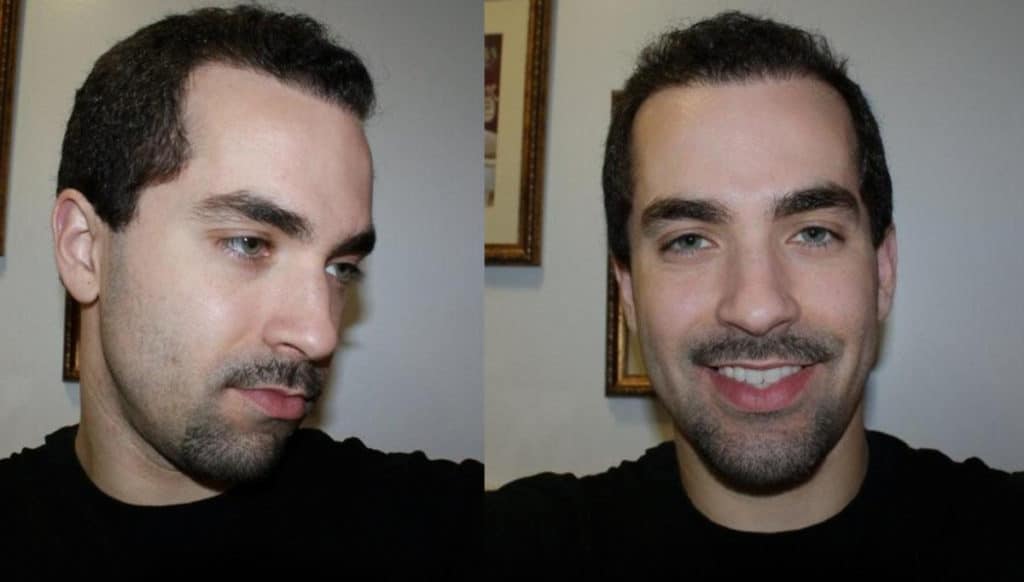
The documented procedure used 3,000 FUE grafts to restore the patient's hairline and frontal region. The combined comparison below shows the starting pattern and the documented follow-up result.
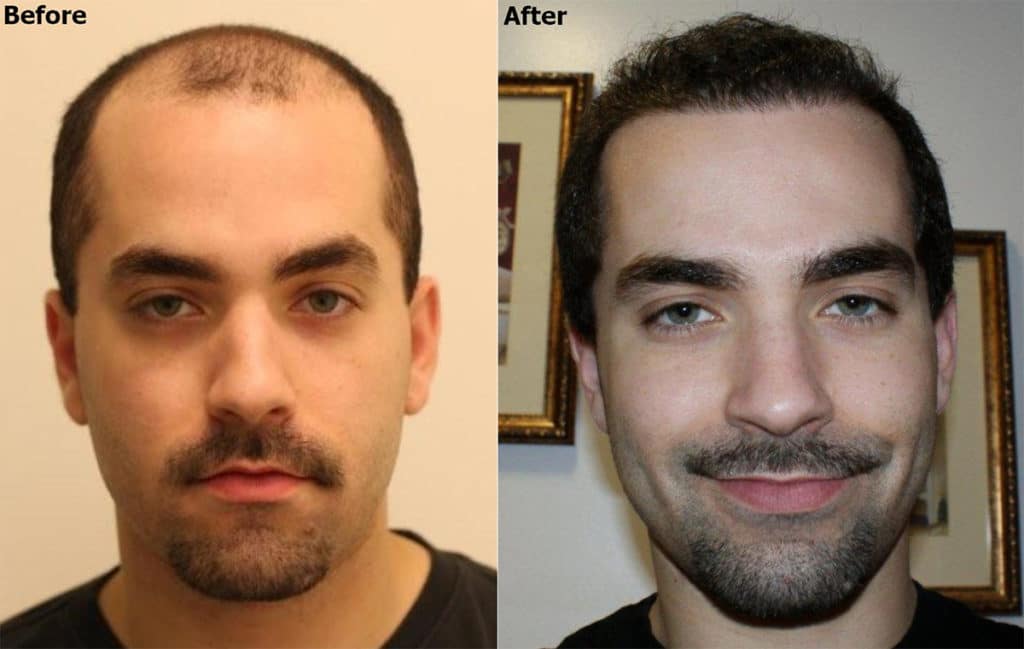
Documented Norwood 5 Hair-Loss Pattern
The patient presented with a documented Norwood 5 hair-loss classification. The surgical treatment recorded for this procedure focused on the hairline and frontal region.
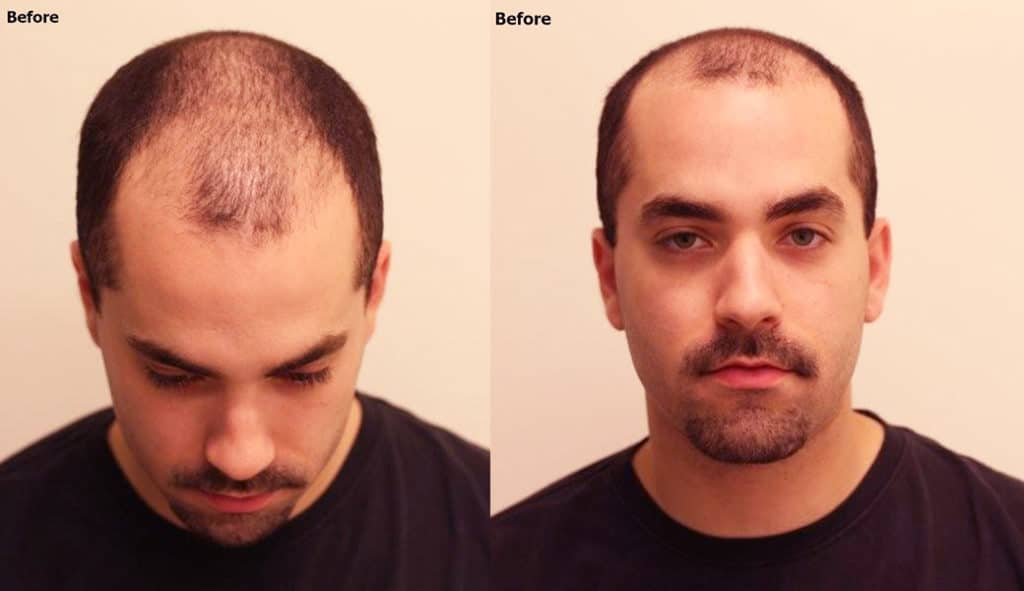
A Frontal-Focused Plan Within an Advanced Hair-Loss Pattern
Although the patient's overall pattern was classified as Norwood 5, the documented 3,000-graft procedure was directed specifically to the hairline and frontal region.
This distinction is important because a Norwood classification describes the broader pattern of hair loss, while the operative treatment area identifies where grafts were actually placed.
Frontal Priority
The documented procedure concentrated treatment through the hairline and frontal region rather than establishing that every area affected by the Norwood 5 pattern was transplanted.
3,000-Graft Plan
The 3,000-graft count should be interpreted together with the recipient area treated, rather than as a universal graft requirement for Norwood 5 hair loss.
One Day After the Procedure
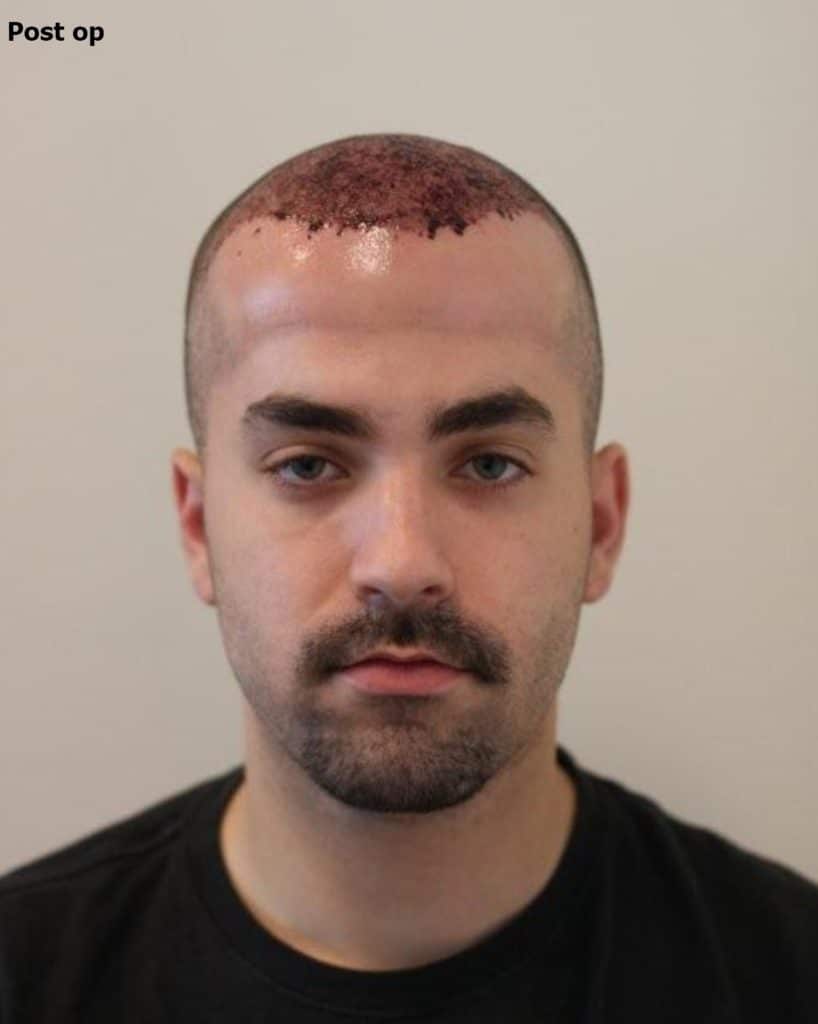
The one-day postoperative photograph documents the immediate appearance of the treated frontal region after placement of the 3,000 FUE grafts.
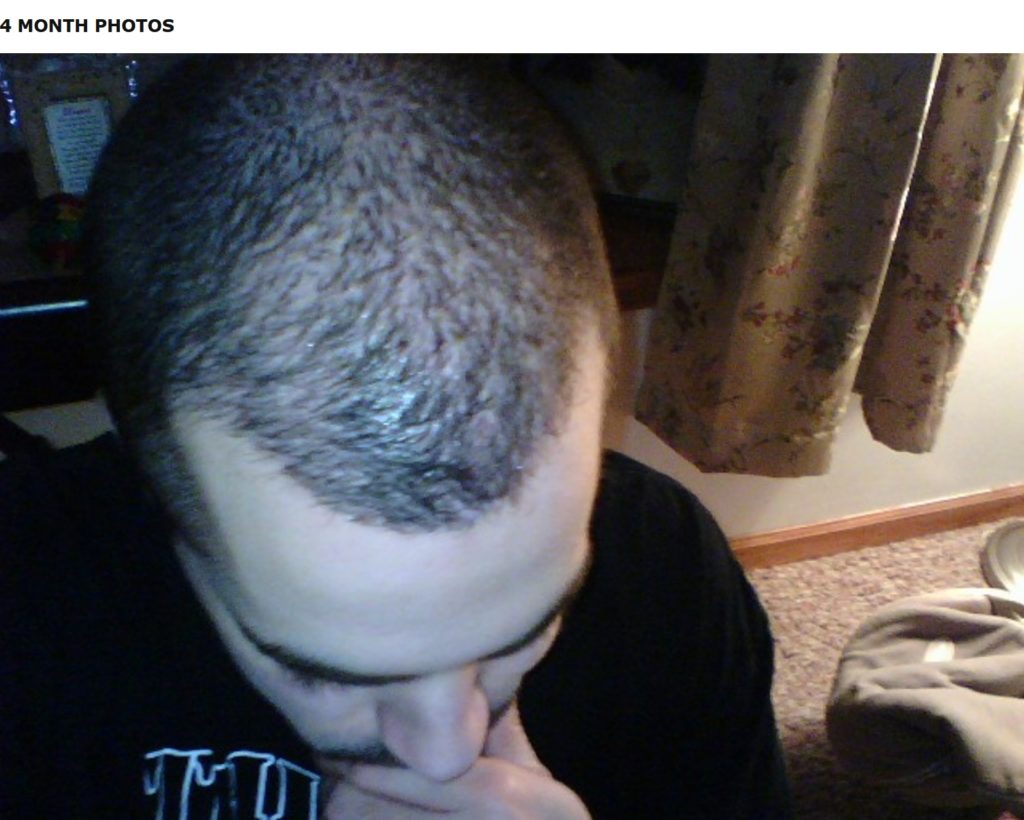
Four Months After Surgery
This photograph documents the patient's appearance at four months after the procedure. It represents an interim stage of follow-up rather than a final result.
Hairline and Frontal Result at One Year
The one-year photograph documents the patient's frontal appearance after the 3,000-graft procedure.
frontal focus
Norwood 5 Does Not Automatically Mean Full-Scalp Treatment
This patient had a documented Norwood 5 pattern, but the operative treatment recorded for this procedure focused on the hairline and frontal region.
That makes this case useful when comparing advanced hair-loss classification with the actual area selected for restoration. The broader classification and the treated recipient area are related, but they are not interchangeable.
This does not mean every Norwood 5 patient requires 3,000 grafts or should receive a frontal-only procedure. Appropriate graft requirements depend on recipient-area size, donor resources, existing native hair, hair characteristics and the goals of the individual restoration.
About This 3,000-Graft Norwood 5 Case
How many grafts were used in this case?
The documented procedure used 3,000 FUE grafts.
What was the patient's hair-loss classification?
The patient was documented as Norwood 5.
Which areas were treated?
The documented 3,000-graft procedure treated the hairline and frontal region.
Was the crown treated in this procedure?
The available case record documents treatment of the hairline and frontal region. It does not establish crown treatment as part of this 3,000-graft procedure.
How long after surgery was the final photograph taken?
The latest documented photograph shown in this case was taken one year after the procedure. The case also includes one-day and four-month postoperative evidence.
Does every Norwood 5 patient need 3,000 grafts?
No. Norwood classification alone does not determine graft count. Treatment area, donor resources, existing native hair, hair characteristics and individual goals all influence surgical planning.
Learn More About the Team, Results and Planning
The available case record does not identify a specific treating physician or treatment location, so the pathways below connect to the broader AlviArmani team and clinic network.
Your Hair Restoration Plan Is Individual
Graft count is only one part of planning. Your hair-loss pattern, treatment areas, existing native hair, donor resources and long-term goals all influence the appropriate approach.