
A documented 3,000-graft Vitruvian FUE™ hair transplant for a patient with Norwood 3 hair loss and AlviArmani Pattern 1 Class 4. The procedure treated Zones 1 and 2, restoring the frontal hairline and temples in a patient with dark, thick hair. The case includes immediate postoperative evidence and one-year results from multiple views.
3,000 Grafts for Frontal Hairline and Temple Restoration
This procedure used 3,000 Vitruvian FUE™ grafts to restore the patient's frontal hairline and temples across Zones 1 and 2.
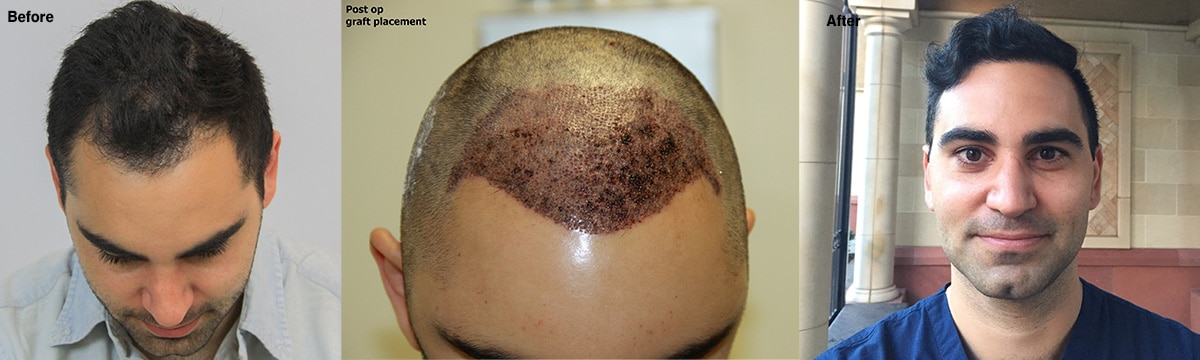
The available photography documents the starting pattern, the immediate postoperative recipient area and the patient's appearance approximately one year after surgery.
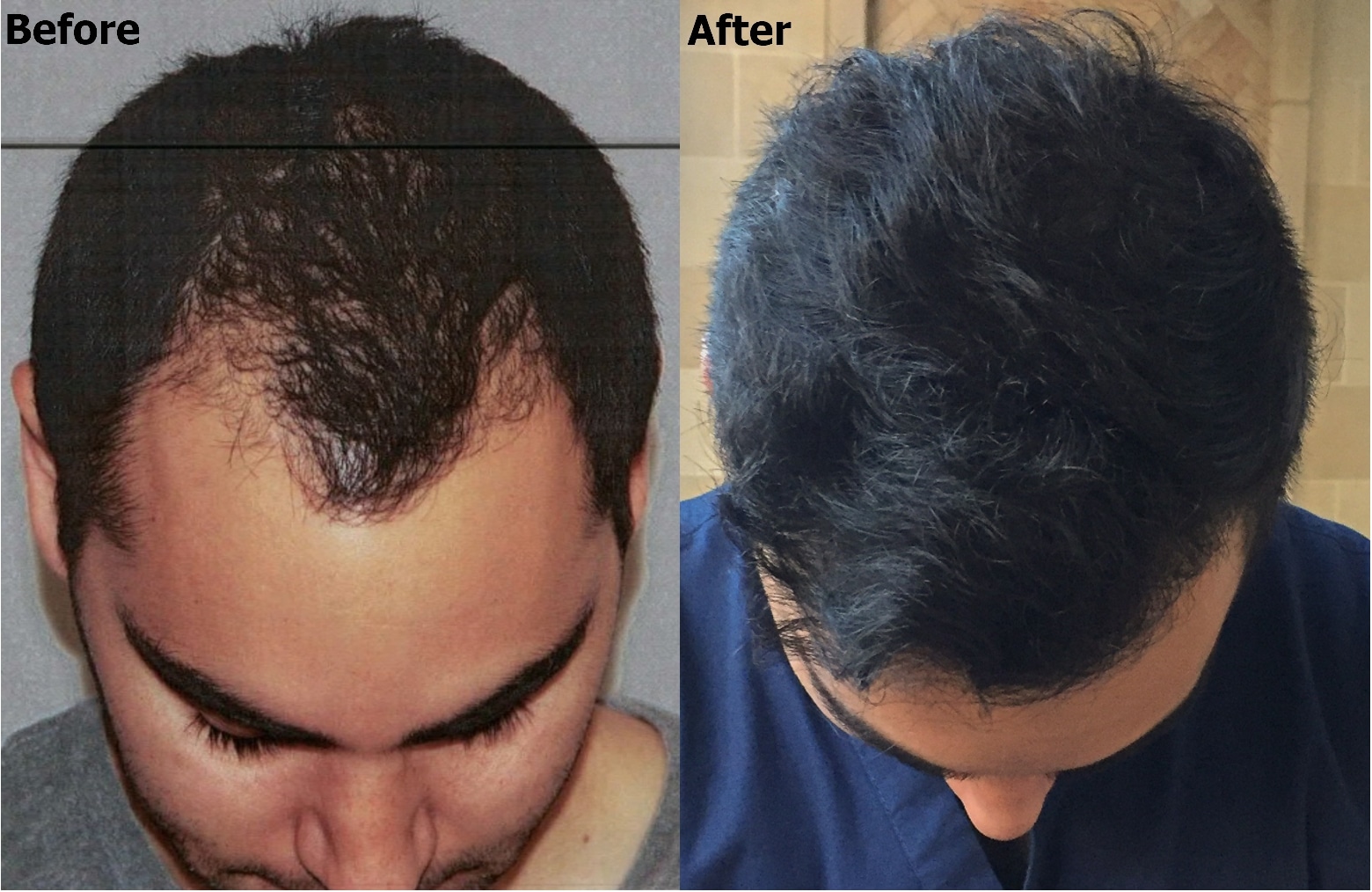
Norwood 3 Frontal Hair Loss With Dark, Thick Hair
The patient was documented as Norwood 3 and Pattern 1 Class 4 on the AlviArmani Hair Loss Scale.
The treatment plan focused on the frontal hairline and temporal regions across Zones 1 and 2. The patient was also documented as having dark, thick hair, an individual characteristic relevant to the visual appearance of the restoration.
Restore the Frontal Frame Across Zones 1 and 2
The 3,000-graft procedure addressed both the frontal hairline and temples while extending through Zones 1 and 2.
The case also documents temple-point reconstruction and treatment through the central frontal region. This created a broader frontal restoration rather than limiting the procedure to the leading edge of the hairline alone.
Hairline & Temple Restoration
Treatment addressed the frontal hairline together with the temporal regions, including the documented temple-point reconstruction.
Zone 2 Integration
The restoration extended behind the leading hairline into Zone 2, connecting the frontal frame with the patient's existing hair farther back.
Planning Around Dark, Thick Hair
This patient's dark, thick hair is a documented characteristic of the case and provides useful context when comparing his result with other patients receiving a similar graft count.
Hair caliber, color, existing native hair and the size of the recipient area can all affect the visual appearance of a restoration. That is another reason two patients receiving 3,000 grafts should not be expected to produce identical-looking results.
Before, Two Days Post-Op and One Year
The progression sequence shows three separate stages: the patient's preoperative appearance, the recipient area two days after surgery and the frontal result approximately one year after the procedure.
The early postoperative photograph provides useful evidence of the area treated during the 3,000-graft procedure.
Multiple Views of the Frontal Restoration
The one-year photographs provide several views of the treated frontal region, including the hairline, temples and transition through the frontal scalp.
Multiple viewing angles provide more context for evaluating the restoration than a single frontal photograph alone.
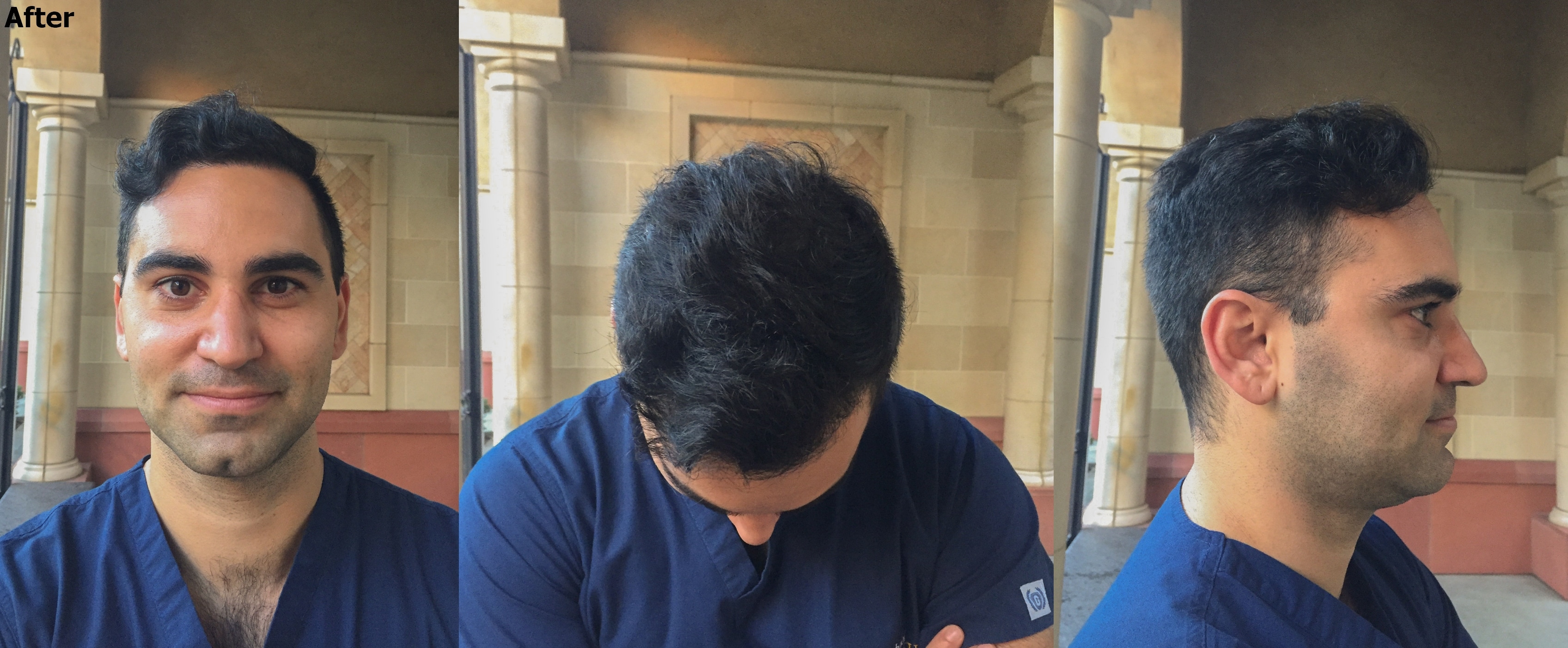
+ dark, thick hair.
Patient Characteristics Matter When Comparing 3,000-Graft Results
This case is useful within the 3,000-graft group because it combines a documented Norwood 3 pattern with dark, thick hair and a frontal treatment plan involving the hairline, temples and Zones 1 and 2.
Other approximately 3,000-graft cases in the AlviArmani library involve different hair-loss classifications, recipient areas, hair characteristics and restoration strategies.
Those differences help explain why graft count alone cannot predict what another patient's result will look like.
This case does not establish a universal 3,000-graft requirement for Norwood 3 hair loss. Individual graft planning depends on the treatment area, donor resources, existing native hair and restoration goals.
Understanding This 3,000-Graft Norwood 3 Case
How many grafts were transplanted?
The documented procedure used 3,000 Vitruvian FUE™ grafts.
What was the patient's hair-loss classification?
The patient was documented as Norwood 3 and AlviArmani Pattern 1 Class 4.
Which areas were treated?
The procedure addressed Zones 1 and 2, including the frontal hairline and temples.
Did the case include temple restoration?
Yes. The original case documentation describes temple-point reconstruction as part of the frontal restoration.
What type of hair did this patient have?
The patient was documented as having dark, thick hair.
How long after surgery were the result photographs taken?
The case includes a photograph two days after surgery and result photography approximately one year after the procedure.
Does every Norwood 3 patient require 3,000 grafts?
No. Norwood classification alone does not determine graft requirements. Treatment-area size, donor resources, existing native hair, hair characteristics and the individualized restoration plan all affect graft planning.
Explore the Team and More Patient Results
Your Hair Restoration Plan Is Individual
Graft count is only one part of planning. Your hair-loss pattern, treatment areas, existing native hair, donor resources and long-term goals all influence the appropriate approach.