
Dense Norwood 5 Hair Transplant – Is it Asking For A Miracle?
A Natural Hair Restoration On A Norwood 5 Base is VERY ACHIEVABLE
Norwood 5 is a critical stage of hair loss in the Hamilton-Norwood scale, where a visible bridge of hair connects the frontal area and the crown area, though both are heavily thinning. For men facing severe hair loss or androgenetic alopecia, this level of male pattern hair loss often feels like a point of no return. But at AlviArmani Beverly Hills, we specialize in hair transplantation that reverses even advanced stages of hair loss like Norwood 5, delivering excellent results through cutting-edge techniques and personalized plans.
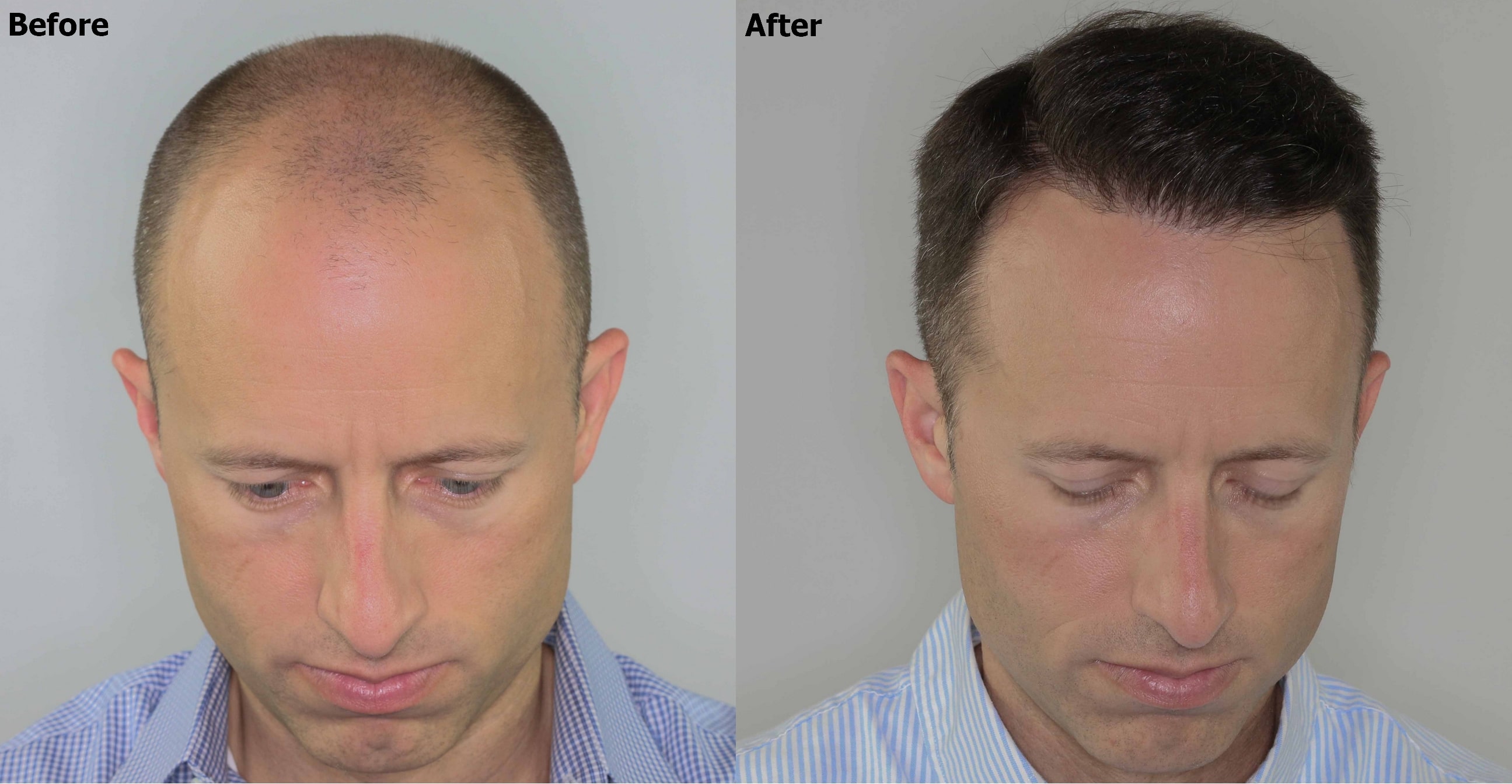
Why is Hair Restoration of Advanced Stage Baldness So Challenging?
The two biggest hurdles that make or break the best hair transplant surgeons Donor-Recipient blueprinting along with hairline design to match individual facial aesthetics. This is particularly important in more advanced hair loss categories. In these patients, every donor follicle along with its strategic placement in the recipient area is of critical importance. No room for error.
Pitfalls with the strip procedure include concern for diminished donor hair for future procedures. Meanwhile, concern with the FUE procedure is for follicle transection. A transection rate during harvesting of even 5% in a 3000 graft procedure would result in the loss of 150 very useful follicles.
At AlviArmani our providers pride themselves on being intimately involved with the entire procedure and tout a follicle transection rate as a cohort of less than 2%.
Take a look at the donor regions in the after pictures. Can you tell a difference from prior to the procedure?
Could I Have A Transplant On Norwood 5 Base?
Yes, individuals at Norwood 5 can undergo a hair transplant. Advanced techniques and skilled surgeons can effectively restore hair density, creating a natural appearance. Personalized consultations help determine the best approach, ensuring optimal results tailored to your specific needs and goals for hair restoration
FUE + PRP on NW 5
A Norwood 5 hair transplant involves the restoration of large bald areas—specifically the frontal area, top of the head, and vertex (crown). These areas are rebuilt using thousands of hair grafts extracted from the donor area, typically the back and sides of the scalp where hair follicles remain genetically resistant to balding.
In this case, our patient received 3,539 hair grafts in a single FUE session—an impressive number of grafts that allowed us to rebuild the hairline, fill the mid-scalp, and reinforce the crown area. The transplantation process was supported by PRP hair treatment to boost post-op recovery and stimulate early hair growth.
Who Is a Good Candidate?
If you're in the Norwood 5 or Norwood 6 range, you may still be a good candidate for hair transplant surgery—provided you have sufficient remaining hair in your donor area. We assess each individual’s hair loss pattern, degree of hair loss, and likelihood of further hair loss before recommending a customized surgical plan.
Some patients may have used minoxidil or finasteride with limited success. While those medications can slow balding, they often fall short for advanced stage hair loss. Surgical hair transplantation offers the most permanent and natural-looking solution for men in this category.
Understanding the Importance of Quality Hair Transplantation in Advanced Hair Loss

At AlviArmani, we believe that high hair transplant quality is non-negotiable. The more advanced the hair loss, the greater the level of difficulty. Patients suffering from Norwood 5 and Norwood 6 hair loss should ensure they select a clinic with the experience and technology necessary to manage advanced hair loss. That includes:
- Designing a natural, youthful hairline
- Densely packing the frontal area and top of the head
- Strategically preserving the band of hair and any bridge of hair to integrate with newly transplanted areas
- Using the highest yield from each follicle
- Ensuring an optimal number of hair grafts are placed with precision
- minimizing transection rate for ultimate donor preservation
- Ampligraf technology for donor, recipient and healing optimization.
Patients in Norwood class 5 often require greater than 3,000 grafts, though the exact number of grafts depends on the extent of balding, the donor area’s capacity and the patient's desired outcome. High-density packing and artistry in graft placement are good indicators of hair transplant quality and contribute to long-term satisfaction.
Norwood 5 Hair Transplant Result Gallery
- FUE Restoration with 3500 Grafts
- 2 Stage 6000 graft.
- 6500 Graft FUE mega session
- 4000 Graft FUE with Video follow up
- 4012 Graft FUE Restoration
Real Norwood 5 Hair Transplant Results
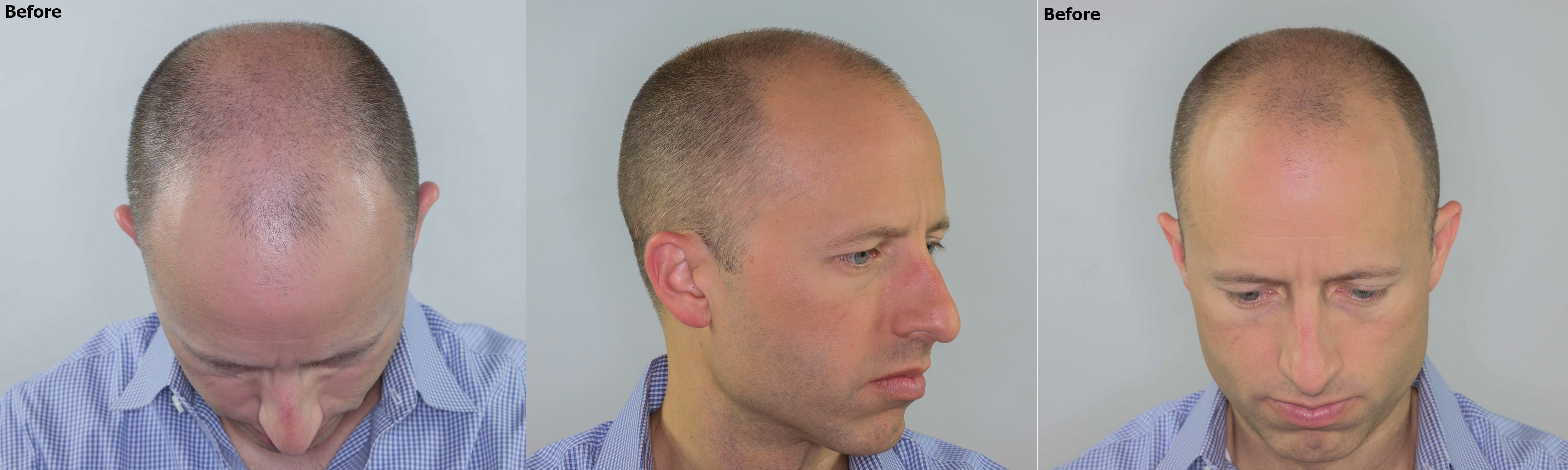
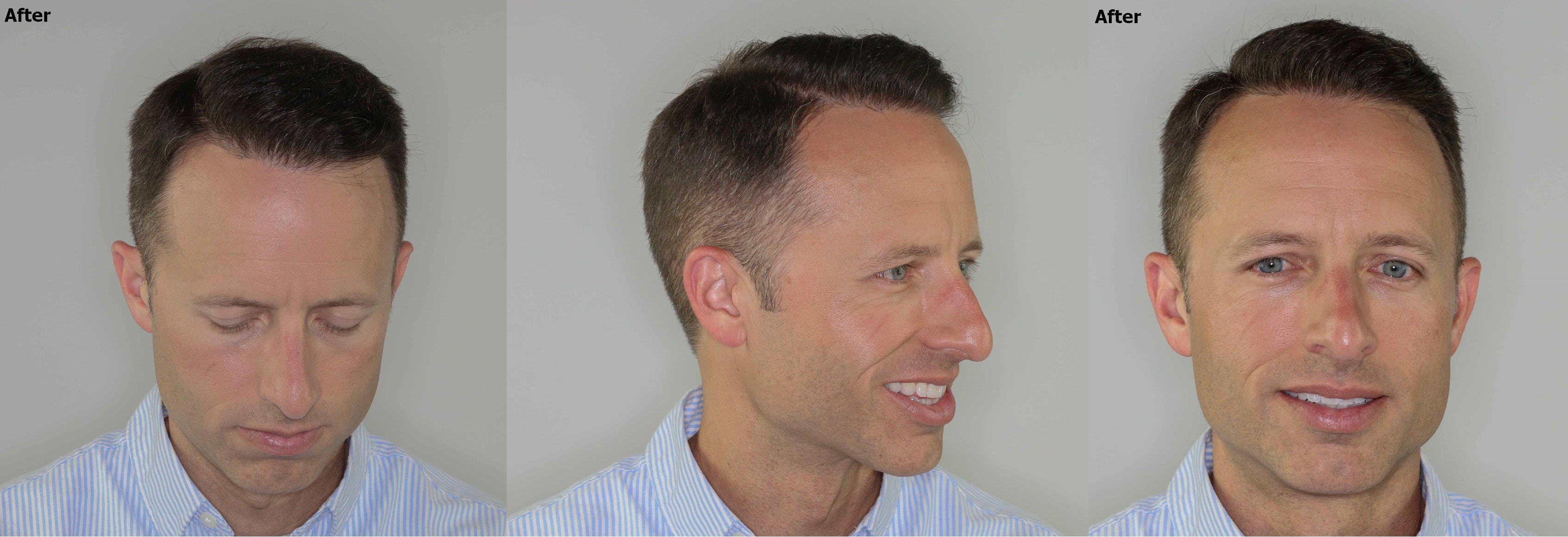
Our featured case on NW 5 hair transplant illustrates how much hair density and natural coverage can be achieved, even with extensive hair loss patterns. Click on the link to see the YouTube description of this 3500 graft restoration.
After just 9 months, this patient reached around 70% of final hair growth, a strong predictor of full maturation by month 12. The results included:
- Restored frontal area with high density
- A fuller, more youthful top of the head
- Reinforcement of the thinning crown area
- Seamless integration with the existing band of hair
➡️ See the Norwood 5 hair transplant video and results
NW 5 Result Video
A detailed comb through is shown in this video so that you can see all of the details that are necessary to determine true naturalness, and true density. This is what sets AlviArmani apart from other clinics. We provide real results and validate them with real documentation.
This video was filmed in July 2019, the patient is just 9 months post op in this video and comb thru and is only at 70% growth and at 70% the final result in the video, but the result and transformation is already stunning.