
Hair Transplant Fundamentals
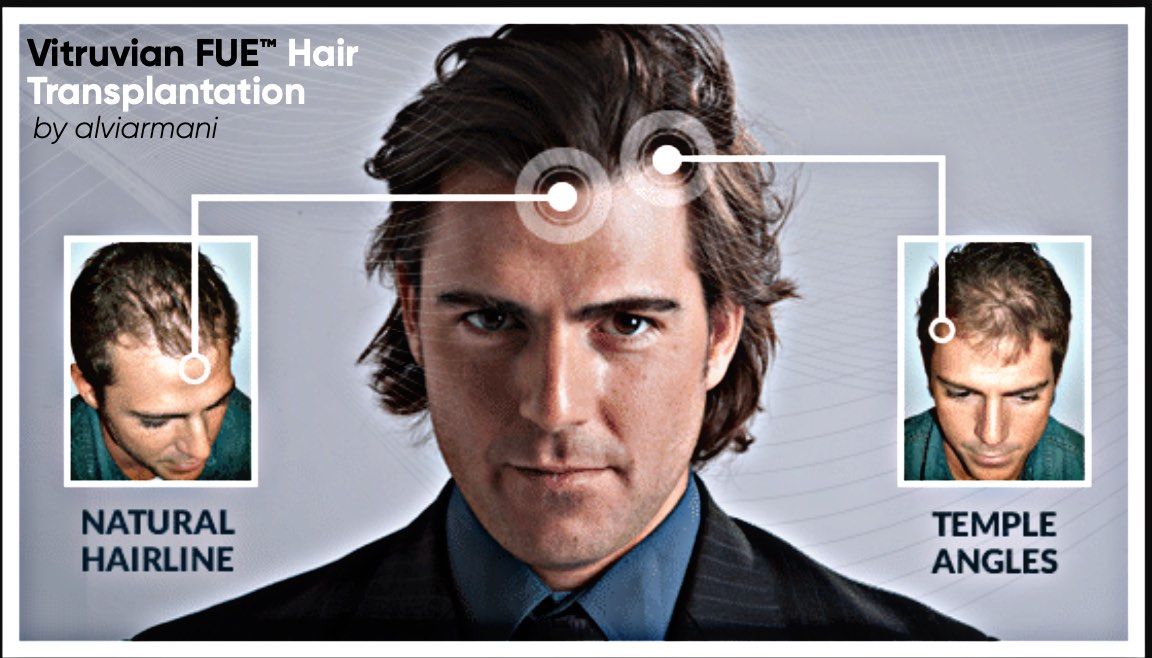
A modern hair restoration approach combines science, design, and surgical precision. In this guide, we explain how hair transplantation works at AlviArmani—from planning a hair transplant procedure to achieving a natural appearance—with an emphasis on donor preservation, density, and artistic design.
Explore Hair Transplant Topics
How a Hair Transplant Works
Understand the surgical steps from donor site to recipient site for FUE hair transplant.
FUE vs FUT Techniques
Compare the FUE method and follicular unit transplantation to choose the right path.
Recovery Timeline
What to expect after hair transplant surgery and how we support healing.
Hair Growth After Transplant
Track progress as individual follicles mature and density improves.
Density & Natural Results
How angles, number of grafts, and design deliver a seamless look.
Are You a Candidate?
See if you’re a good candidate based on type of hair and stability of loss.
Fundamentals at a Glance
What is FUE?
In follicular unit extraction, individual follicles are harvested from a resilient donor area—often the back of the head—under local anesthesia, then placed into thinning areas to restore scalp hair with a natural appearance.
- Minimally invasive hair restoration techniques with tiny punctate sites
- Customized planning for target hair density and number of grafts
- High precision placement at the recipient site
FUE vs. FUT (Strip)
Follicular unit transplantation moves grafts via a linear harvest; FUE is suture-free. AlviArmani primarily performs the FUE method to optimize comfort, styling freedom, and rapid recovery.
- Both are established transplant procedures performed by experienced surgeons
- Technique choice depends on goals, donor site quality, and hairstyle preferences
- Objective: a full, cohesive head of hair with minimal visibility
Anatomy: Donor & Recipient
Most candidates with androgenetic alopecia or androgenic alopecia retain stable follicles on the sides of the scalp and the back of the head. These regions form the donor area. The areas of the scalp affected—such as the hairline, temples, and crown—become the recipient site. Our mapping protects future styling while rebuilding coverage in thinning areas.
Step-by-Step: Hair Transplant Procedure Day
- Design & planning tailored to your goals and type of hair
- Local anesthesia for comfort throughout hair transplant surgery
- FUE harvesting from the donor site using microsurgical tools
- Site creation in the recipient site to match flow and natural appearance
- Graft placement of individual follicles for optimal hair density
Procedures are led by highly experienced surgical teams; many clinics worldwide involve plastic surgeons or dedicated hair surgeons to ensure safety and consistency.
Who Is a Good Candidate?
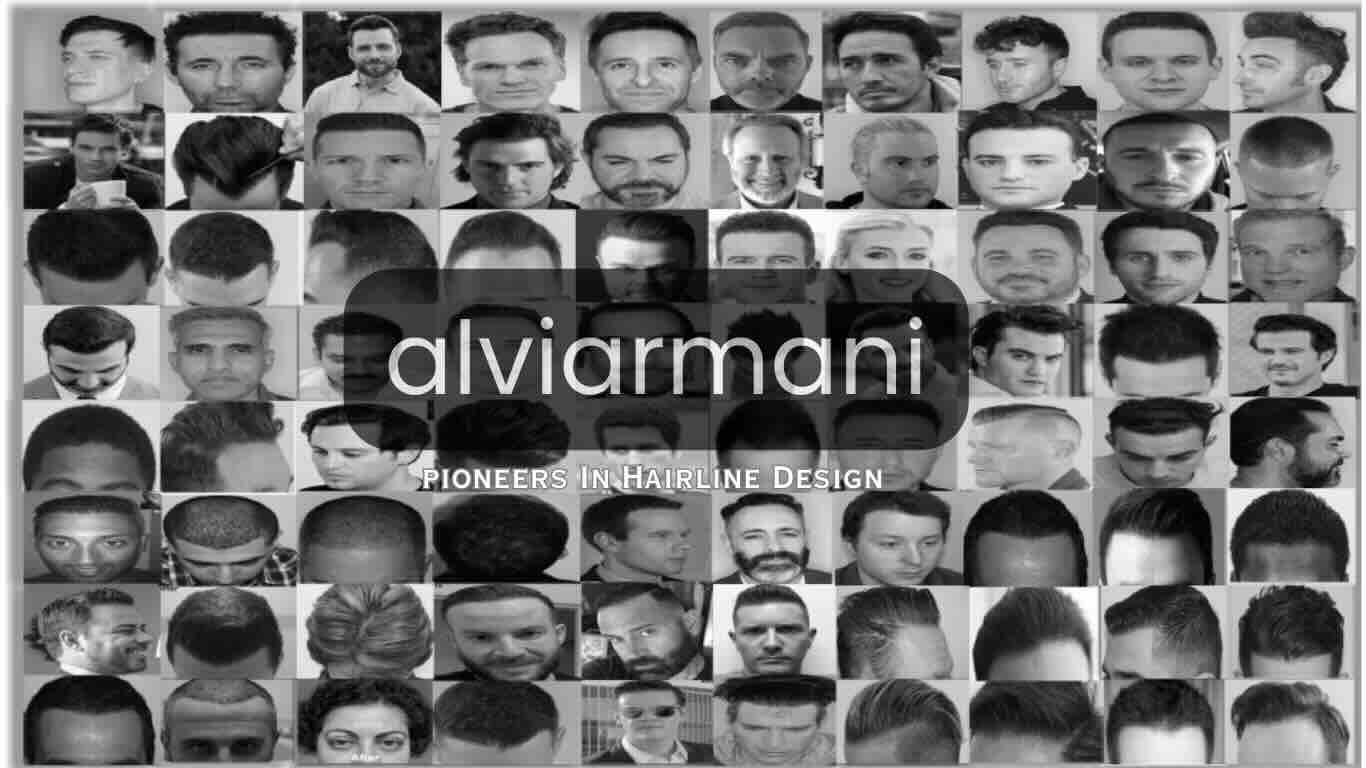
Ideal candidates include those with stable pattern hair loss and adequate donor area supply. We evaluate your medical history, type of hair, goals, and donor-recipient balance. Both male and female pattern hair loss cases can be addressed with the right plan.
- Clear goals for coverage and hair density
- Realistic expectations about the number of grafts required
- Understanding of maintenance and non-surgical options for ongoing loss
Safety, Side Effects & Outcomes
Like all surgical hair restoration techniques, FUE has potential side effects such as temporary redness, swelling, or numbness that typically resolve. With meticulous handling of individual follicles, careful planning, and donor conservation, AlviArmani aims for a durable, natural-looking outcome and excellent patient experience.
Our approach to hair transplantation focuses on long-term strategy for those with progressive permanent hair loss, prioritizing preservation of the donor site and harmony across the areas of the scalp.
Hair Transplant FAQs
Is a hair transplant permanent?
Yes. Transplanted follicles typically resist the hormones that drive pattern hair loss, making results long-lasting.
Will people be able to tell I had a transplant?
Not with AlviArmani. Our design process and graft angulation restore a natural appearance that blends with your existing scalp hair.
How many grafts do I need?
The number of grafts depends on your goals, donor area strength, and target hair density. Many cases range from 2,000–4,000 grafts; larger sessions are considered when appropriate.
What are typical side effects?
Common side effects include temporary swelling, redness, and sensitivity at the donor site and recipient site. These usually subside in days to weeks.
Where do the grafts come from?
From a stable donor area—often the back of the head and sides of the scalp—where follicles are less affected by androgenetic alopecia.
Is FUE right for female pattern hair loss?
Yes, in carefully selected cases of female pattern hair loss with sufficient donor area and defined thinning areas. A consultation confirms whether you’re a good candidate.
How is pain managed?
Local anesthesia is used throughout the hair transplant procedure to keep you comfortable.