
Hairline Lowering vs Forehead Reduction Surgery
Hairline Science
Explore the Hairline Design Hub
For a broader look at facial framing, hairline lowering, temple design, and related results, visit the central hairline resource page. Keep reading to compare hairline lowering surgery vs forehead reduction surgery.
Key Highlights
- Hairline lowering is a hair transplant procedure that adds new hair follicles to create a new, lower hairline.
- Forehead reduction surgery, or scalp advancement, is a surgical procedure that removes a strip of forehead skin to lower the existing hairline.
- The best choice depends on factors like your natural hairline, scalp laxity, and whether you have a high forehead due to genetics or hair loss.
- Recovery time differs, with forehead reduction often showing more immediate results, while hairline lowering requires time for new hair growth.
- Both procedures have different risks, costs, and scarring outcomes that you should discuss with a qualified surgeon.
For a complete guide on hairline design ->
Feeling self-conscious about a large forehead can impact your confidence.

Before surgery and immediately after surgery with grafts in place.
Thankfully, modern cosmetic procedures offer effective solutions. You might be weighing your options, wondering whether hairline lowering or forehead reduction is the right choice for you.
Both can significantly improve your facial proportions and help you feel more comfortable in your own skin. This guide will walk you through the key differences between these two procedures, helping you understand which one best aligns with your goals and facial features.
Understanding Hairline Lowering and Forehead Reduction
When looking to adjust the proportions of your upper face, hairline lowering and forehead reduction are two primary options. While both aim to reduce the appearance of a high forehead, they achieve this goal through very different methods.
One approach involves surgically advancing the scalp, while the other uses hair transplantation to create a new hairline. Understanding the fundamentals of each procedure is the first step in determining which path is right for your unique aesthetic goals. Let’s explore what each procedure entails.
Defining Hairline Lowering
Hairline lowering is a cosmetic procedure designed to artistically create a new, lower hairline using your own hair. It is a type of hair restoration, often performed using Follicular Unit Extraction (FUE). In this technique, individual hair follicles are taken from a donor area, typically the back of the scalp, and meticulously transplanted to the front to frame your face more proportionately.
This procedure is more than just moving hair; it's about redesigning the hairline to create a balanced and age-appropriate look. It's an excellent option for those with a naturally high hairline or those looking to address the early signs of a receding hairline without a history of significant future hair loss.
The main difference between hairline lowering and forehead reduction surgery is the method. Hairline lowering adds hair to create a new hairline, while forehead reduction physically moves the existing hairline down by removing skin. This technique offers precise control over the shape and contour, making it a form of hairline advancement.
What Is Forehead Reduction Surgery?
Forehead reduction surgery, also known as scalp advancement or hairline lowering surgery, is a surgical procedure that reduces the height of the forehead. Unlike hairline lowering via hair transplant, this procedure involves making an incision along your natural hairline. From there, a surgeon removes a portion of forehead skin.
Once the excess skin is removed, the scalp is gently pulled forward and down to its new, lower position. The surgeon then sutures the top incision along the hairline to the forehead incision, effectively closing the gap and creating a lower hairline. This method provides an immediate and often dramatic change to your facial proportions.
While both procedures aim to lower the hairline, forehead reduction accomplishes this by removing forehead skin rather than adding hair follicles. It is a single surgical event performed under general anesthesia that can offer significant results for individuals with a large forehead.
Who Is an Ideal Candidate for Each Procedure?
Deciding between hairline lowering and forehead reduction isn't just about the result you want; it's also about what your body is suited for. An ideal candidate for one procedure may not be a good fit for the other. Factors like your hair density, scalp flexibility, and the reason for your high forehead all play a crucial role.
A consultation with a qualified surgeon is essential to determine your candidacy for either surgical procedure. They will assess your unique facial structure and hair characteristics to recommend the best path forward. Let's look at the qualifying factors for each option.
Learn what goes into creating a natural hairline ->
Qualifying Factors for Hairline Lowering
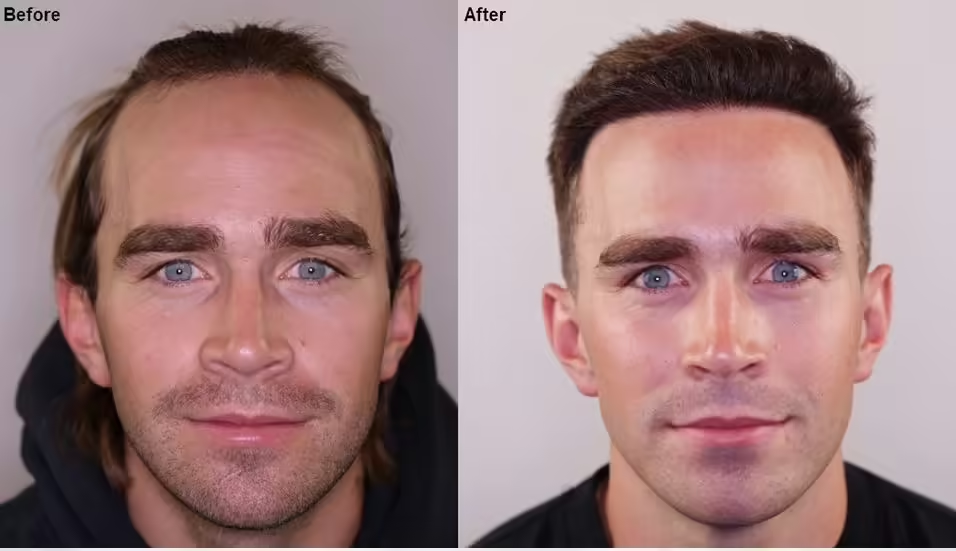
Before and 6 months after FUE hair transplantation.
You might be an excellent candidate for hairline lowering if you want to refine your facial proportions without invasive surgery. This procedure is particularly well-suited for individuals who have a stable hair loss pattern and sufficient donor hair on the back of their scalp. It allows for the artistic creation of a new hairline that complements your features.
Good scalp laxity is helpful but not as critical as it is for forehead reduction. The primary focus is on having a healthy donor supply to achieve the desired density. This makes it a great choice for restoring balance to the upper face or for gender-affirming refinement.
Key factors that make someone a good candidate include:
- A naturally high hairline or receding temples that you wish to correct.
- A stable hair loss pattern, ensuring the results will be long-lasting.
- A desire for precise control over the shape and softness of your natural hairline.
When Forehead Reduction Is More Appropriate
Forehead reduction may be the better option if you are looking for a more immediate and significant change to the height of your hairline. This procedure is often recommended for individuals, particularly women, who have a naturally large forehead and a dense, stable hairline without a personal or family history of hair loss.
Good scalp laxity, or the ability of your scalp to stretch, is a critical requirement for this surgery. Your surgeon will need to advance your scalp forward, so flexibility is key to a successful outcome. It can be an effective way to bring your facial features into better harmony.
Consider forehead reduction if you meet these criteria:
- You have a disproportionately high hairline or large forehead.
- You have good scalp elasticity and thick hair.
- You are not a good candidate for hair transplantation due to the extent of lowering required.
Main Differences Between Hairline Lowering and Forehead Reduction
While both hairline lowering and forehead reduction aim to shorten the forehead, they are fundamentally different procedures. The primary distinction lies in the technique: one adds hair to create a new hairline, while the other surgically removes skin to move the existing hairline down.
This core difference influences everything from the surgical procedure itself to the final aesthetic outcome. Understanding these distinctions is key to choosing the treatment that best suits your anatomy and goals. Here’s a closer look at how they compare.
How Each Procedure Is Performed
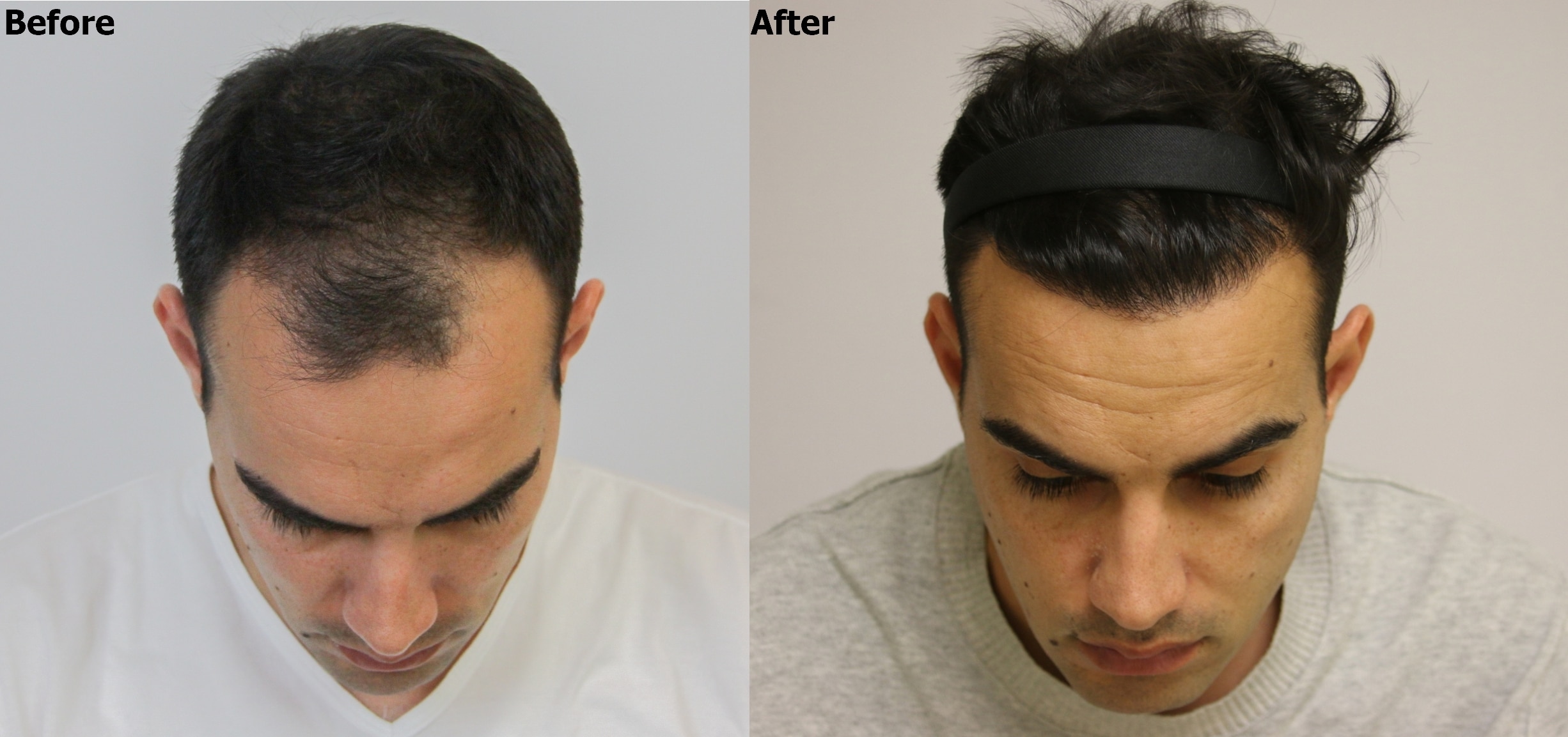
Before and after - Top view
The surgical procedure for hairline lowering and forehead reduction varies significantly. Hairline lowering is typically a hair transplant technique like FUE (Follicular Unit Extraction). A surgeon harvests individual hair follicles from a donor area, usually the back of your head, and implants them one by one to construct a new, lower hairline. This method avoids a long, linear incision.
In contrast, forehead reduction, or scalp advancement, is a more traditional surgical intervention. It involves an incision along the hairline, the removal of a strip of forehead skin, and then pulling the scalp forward to be sutured in its new position. This technique directly alters the existing hairline's location.
Here is a simple breakdown of the procedural differences:
| Feature | Hairline Lowering (FUE) | Forehead Reduction |
|---|---|---|
| Technique | Hair follicles are transplanted to create a new hairline. | A strip of forehead skin is surgically removed to lower the existing hairline. |
| Incision | Tiny dot-like extractions in the donor area; no linear scar. | A linear incision is made along the hairline. |
| Anesthesia | Typically local anesthesia. | Usually general anesthesia. |
Key Outcome Differences
The results you can expect from each procedure also differ. With hairline lowering, the outcome is gradual. You must wait for the transplanted hair follicles to enter their natural growth cycle and mature. The final result, a soft and natural-looking new hairline, is typically visible after 12 to 15 months. This procedure offers great control over the shape and softness of the hairline.
Forehead reduction surgery, however, provides an immediate result. The moment the surgery is complete, your forehead is visibly shorter. The main trade-off is a scar along the hairline, though surgeons take great care to hide it. The final look depends on how the incision heals and how well the new hairline position balances your facial features.
Key outcome differences to consider are:
- Immediacy: Forehead reduction results are instant, while hairline lowering results develop over several months as hair growth occurs.
- Hairline Quality: Hairline lowering allows for artistic design of a soft, natural hairline, while forehead reduction moves your existing hairline.
- Scarring: Forehead reduction leaves a linear scar, whereas FUE hairline lowering leaves tiny, often undetectable dot scars in the donor area. Learn more about hair transplant scars ->
Benefits of Hairline Lowering vs Forehead Reduction
Each procedure offers a unique set of advantages that may appeal to different individuals. The benefits of hairline lowering often center on its minimally invasive nature and the ability to artistically design a new hairline, which can boost hair growth in a targeted area.
On the other hand, forehead reduction provides immediate and dramatic results for those seeking to adjust their facial proportions quickly. Exploring the specific benefits of each can help clarify which one aligns better with your priorities and desired outcome.
Advantages of Hairline Lowering
One of the biggest advantages of hairline lowering via hair transplantation is the level of artistic control it provides. Surgeons can meticulously design a new hairline that perfectly complements your facial features, creating a natural and soft transition. This hair restoration technique avoids the linear scar associated with surgical scalp advancement.
See our research on the importance of temple angle design ->
Because it uses your own hair follicles, the result is completely natural. The procedure is also less invasive, typically performed under local anesthesia as an outpatient procedure. This often translates to a lower risk profile compared to surgery requiring general anesthesia.
Some key advantages include:
- No linear scar along the hairline.
- Precise control over the shape, density, and softness of the new hairline.
- Effective for correcting a high hairline and refining temple angles for balanced facial features.
Unique Benefits of Forehead Reduction
The most significant benefit of forehead reduction surgery is the immediate result. You will leave the procedure with a visibly shorter forehead, providing an instant boost in confidence for those concerned about a large forehead. This can dramatically improve facial balance in a single step.
The procedure can achieve a more substantial lowering of the hairline in one session than what might be possible with a single hair transplant session. For candidates with good scalp elasticity, a reduction of up to an inch or more is often possible.
Unique benefits of this approach are:
- Instantaneous and dramatic results in one surgical session.
- It can achieve a significant reduction in forehead height.
- When performed skillfully, it can result in minimal scarring that is well-hidden by the hairline.
See our hairline hub with results and more information ->
Risks and Potential Side Effects
Like any surgical procedure, both hairline lowering and forehead reduction come with potential risks and side effects. It's important to be aware of these possibilities so you can make a fully informed decision. The nature and severity of these risks can differ between the two treatments.
A thorough discussion with your surgeon will help you understand the specific side effects you might encounter based on your health and the chosen procedure. Let’s examine the potential complications associated with each option.
Hairline Lowering Risks and Side Effects
Hairline lowering with FUE is generally considered safe, but it's not without risks. Since it's a surgical procedure, there's a potential for infection, bleeding, and swelling at the donor and recipient sites. Some patients may experience temporary shedding of the transplanted hair, known as "shock loss," before new growth begins.
One of the primary concerns is ensuring the final result looks natural. If performed by an inexperienced technician, there's a risk of a patchy or unnatural-looking hairline. Nerve damage is rare but possible, potentially causing numbness at the surgical site. A visible scar is not a typical concern with FUE, as the extraction sites are tiny dots.
Potential side effects include:
- Temporary swelling, redness, or scabbing.
- Risk of an unnatural appearance if not performed by a skilled surgeon.
- Shedding of transplanted hair before new growth begins.
Forehead Reduction Risks and What to Expect
Forehead reduction surgery carries the risks associated with any invasive surgical intervention, including bleeding, infection, and adverse reactions to general anesthesia. Specific to this procedure, there is a risk of nerve damage, which could lead to numbness or changes in sensation in the forehead area.
Asymmetry of the hairline is another potential complication if the healing is uneven or the incision was not perfectly placed. The most notable trade-off is the scar. While surgeons work to hide the incision along the hairline, there will be a permanent, visible scar. During the recovery period, you can expect some swelling and bruising, and your doctor may prescribe pain medication to manage discomfort.
What to expect during recovery:
- A linear scar along the new hairline.
- Swelling, bruising, and discomfort managed with pain medication.
- Potential for numbness or altered sensation, which is usually temporary.
Recovery and Timeline for Results
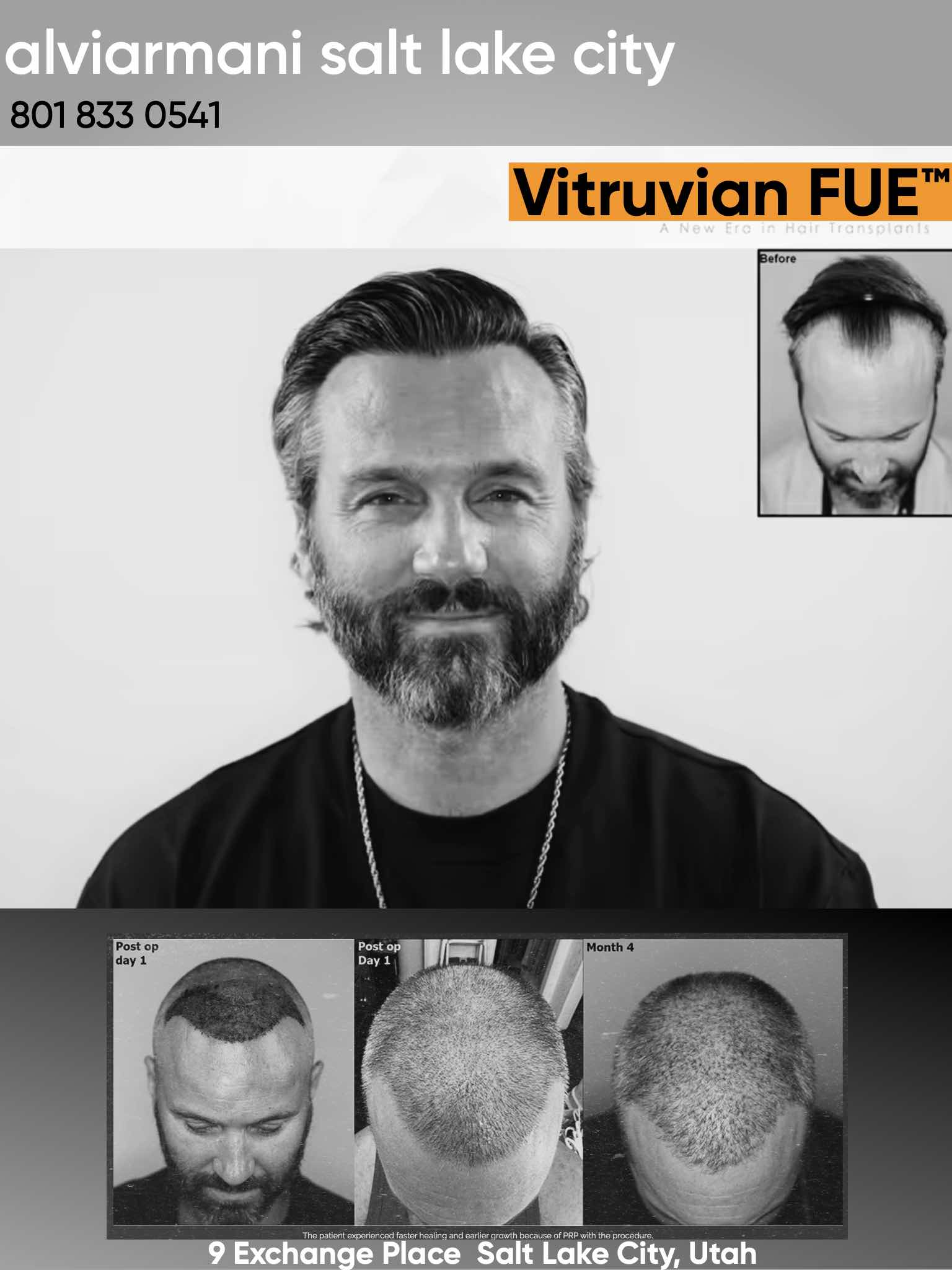
The journey to your final results doesn't end when you leave the operating room. The recovery time and the timeline for seeing the outcome are important factors to consider when choosing between hairline lowering and forehead reduction procedures. Each has a distinct healing process.
Understanding what to expect during recovery will help you plan accordingly and set realistic expectations for your transformation. Whether it's waiting for new hair growth or for an incision to heal, patience is a key part of the process.
Take a look at our after hair transplant recovery page ->
Recovery After Hairline Lowering
After a hairline lowering procedure using FUE, the initial recovery period is relatively short. You can expect some minor swelling and redness in the first few days. Most surgeons advise avoiding strenuous activities for about one to two weeks to protect the newly transplanted grafts. You will receive specific instructions for washing your hair and caring for the area.
The transplanted hairs will typically shed within the first few weeks, which is a normal part of the process. New, permanent hair growth usually begins around three to six months after the procedure. You may need pain medication for a day or two, but discomfort is generally minimal.
Key recovery points include:
- Avoiding strenuous activities for 1-2 weeks.
- Initial shedding of transplanted hair is normal.
- New growth becomes visible in 3-6 months, with the final look appearing after about a year.
Healing and Results After Forehead Reduction
The healing process after forehead reduction surgery is different because it involves an incision. You can expect swelling and bruising on your forehead for the first week or two. Sutures are typically removed within a week and a half. The final results in terms of forehead height are immediate, but the scar will take time to mature.
The scar will initially appear red and raised but will fade and flatten over several months, eventually becoming less noticeable. Full healing can take up to a year. The recovery time before returning to normal activities is usually around one to two weeks.
Important aspects of healing and results are:
- Immediate reduction in forehead height.
- The scar takes several months to a year to fade and mature.
- The initial recovery time often involves managing swelling and caring for the incision site.
Costs and Financing Options in the United States
The financial aspect is a significant consideration for any cosmetic surgical procedure. The cost of hairline lowering and forehead reduction can vary widely depending on the surgeon's expertise, geographic location, and the complexity of your treatment plan. Since these are considered cosmetic, they are typically not covered by health insurance.
Understanding the potential costs and available financing options can help you budget for your transformation. It's important to get a detailed quote during your consultation. Let's break down the typical costs for each procedure.
Interested in learning more about hair transplant costs ->
Typical Costs for Hairline Lowering
The cost of hairline lowering is usually calculated based on the number of grafts needed for the hair transplantation. This can make the price highly variable from person to person. The total cost of hairline can be influenced by the desired density and the size of the area being treated. This hair restoration procedure is an investment in a permanent, natural-looking result.
On average, patients can expect the procedure to range from $4,000 to $15,000 or more. The final price depends on the clinic's reputation, the technology used, and the surgeon's skill in creating an artistic hairline. Many clinics offer financing plans to make the procedure more accessible.
Here is an estimated breakdown of costs:
| Factor | Description | Estimated Cost Range |
|---|---|---|
| Graft Count | The number of hair follicles transplanted (e.g., 1,500-2,400 grafts). | Varies widely per graft |
| Clinic & Surgeon | Based on expertise and location. | Higher in major metro areas |
| Total Procedure | An all-inclusive estimate for an average hairline lowering. | $4,000 - $15,000+ |
Average Costs for Forehead Reduction
The cost for a forehead reduction procedure is typically a flat surgical fee. This fee generally includes the plastic surgeon's time, facility costs, anesthesia, and follow-up appointments. The price can be influenced by the complexity of the surgery and the surgeon's experience.
The average cost of hairline lowering through this method tends to range from $7,000 to $20,000. It's crucial to get a comprehensive quote during your consultation that outlines all associated fees to avoid any surprises. Like with hair transplants, financing options are often available through medical credit companies or in-house payment plans.
Here is a look at potential costs:
| Factor | Description | Estimated Cost Range |
|---|---|---|
| Surgeon's Fee | Based on the plastic surgeon's expertise and reputation. | A significant portion of the total |
| Facility & Anesthesia | Costs for the operating room and anesthesiologist. | Varies by location/facility |
| Total Procedure | An all-inclusive estimate for a forehead reduction procedure. | $7,000 - $20,000 |
Scarring and Aesthetic Outcomes
The final look of your procedure is not just about a lower hairline—it's also about the scarring and overall aesthetic outcomes. The type and visibility of scarring are one of the most significant differences between hairline lowering and forehead reduction. For many, the potential for a visible scar is a deciding factor.
Achieving a natural and seamless result is the ultimate goal. Understanding how each procedure addresses scarring and what you can expect aesthetically will help you weigh the pros and cons more effectively.
Scarring After Hairline Lowering
With hairline lowering via FUE hair transplant, there is no linear, visible scar along the new hairline. Instead, the procedure creates tiny dot-like scars in the donor area on the back of the head where individual hair follicles were extracted. These are typically very small and become virtually undetectable once the surrounding hair grows out.
The primary aesthetic focus of this procedure is to create a soft, natural-looking new hairline. Surgeons strategically place single-hair grafts at the very front to mimic a natural hair pattern, avoiding a harsh or "pluggy" look. This meticulous approach ensures the result is seamless and blends perfectly with your existing hair.
Points to remember about scarring:
- No linear scar at the hairline.
- Tiny, concealable dot scars in the donor area.
- Aims to create a soft, micro-irregular hairline for a natural aesthetic.
Scarring After Forehead Reduction
Forehead reduction surgery inherently involves an incision along the hairline, which results in a permanent scar. A skilled surgeon will place the incision carefully so that hair can eventually grow through and around it, helping to camouflage it over time. However, the potential for a noticeable scar exists, especially in the initial months of healing.
The aesthetic outcome is an immediate lowering of the hairline, but the final appearance depends heavily on how the scar heals. With proper care and time, the scar often fades to a fine line, but its visibility can vary from person to person. The results of forehead reduction surgery are generally considered permanent, as the excess skin is removed.
Things to know about the scar:
- A linear scar is placed along the new hairline.
- The scar's visibility decreases over time but is permanent.
- Hair may be able to grow through the scar to help conceal it.
Combining Forehead Reduction with Other Hair Restoration Procedures
In some cases, the best approach isn't choosing one procedure over the other but combining them. A forehead reduction can be paired with a hair restoration procedure like a hair transplant to achieve comprehensive and refined results. This is particularly useful for optimizing the final look of the hairline area.
Combining treatments allows a surgeon to address multiple concerns at once, such as lowering the hairline and also improving its density or shape. Let's explore when this combined approach is recommended and how effective it is.
When Combined Procedures Are Recommended
A combined approach is often recommended for individuals who need a significant amount of hairline lowering but also want to refine the shape and density of their hairline. For example, after a forehead reduction provides the desired height, a hair transplantation procedure can be used to soften the new hairline, fill in the temple areas, or camouflage the surgical scar.
This strategy can be ideal for patients with naturally high hairlines who also have some thinning or an M-shaped hairline that they wish to correct. The hairline advancement from the surgery creates the primary change, while hair restoration adds the finishing artistic touches for a truly natural hairline.
Combined procedures may be recommended if you:
- Need a significant lowering that a transplant alone cannot achieve.
- Want to soften the hairline or conceal the scar from a forehead reduction.
- Desire to refine temple angles after the hairline has been advanced.
Safety and Effectiveness of Combining Treatments
Combining a forehead reduction with a hair transplant, such as a FUE hair transplant, is generally considered safe and effective when performed by a skilled surgical team. The procedures can be done at the same time or staged, with the hair transplant following the forehead reduction after an initial healing period.
This dual approach can be highly effective because it leverages the strengths of both procedures. The forehead reduction provides the dramatic lowering, while the follicular unit extraction offers the artistic refinement needed for a completely natural and dense-looking hairline. The surgeon can strategically place grafts to hide the incision and perfect the hairline's shape.
Key points on safety and effectiveness:
- The combination is safe when planned and executed properly.
- It allows for both significant lowering and artistic refinement.
- A FUE hair transplant can effectively camouflage the scar from the surgical procedure.
The Consultation Process: Setting Expectations
Your journey begins with a consultation. This initial meeting with a plastic surgeon or hair transplant surgeon is a critical step in the process. It's your opportunity to discuss your goals, ask questions, and get a professional assessment of which surgical procedure is right for you. A good consultation will provide you with a clear and honest treatment plan, outlining the recommended approach, expected results, and costs.
During this meeting, the surgeon will evaluate your facial structure, scalp laxity, and hair quality. This is also the time to set realistic expectations. The surgeon will explain what is achievable and help you understand the entire process, from preparation to recovery. Feeling comfortable and confident with your surgeon is key to a positive experience.
Questions to Ask Your Surgeon
To make the most of your consultation, come prepared with a list of questions. This will ensure you leave with all the information you need to make an informed decision. Your surgeon should be happy to address all of your concerns about the surgical procedure and your personalized treatment plan.
Don’t hesitate to ask about their experience, the risks involved, and the specifics of the recovery process. Understanding the details of what will happen to your hairline area and the expected aesthetic outcome is crucial for your peace of mind.
Here are some important questions to ask:
- Am I a better candidate for hairline lowering or forehead reduction, and why?
- Can you show me before-and-after photos of patients with similar features to mine?
- What are the specific risks and potential complications for my case?
- What will my recovery look like, and what kind of scar can I expect?
Preparing for Your Initial Appointment
Proper preparation for your consultation can help make the appointment more productive. Before you go, think carefully about your goals. What exactly do you want to change about your forehead or hairline? Having a clear idea of your desired outcome will help the plastic surgeon tailor a treatment plan for you.
It’s also helpful to gather your medical history, including any previous surgeries and a list of medications you currently take. Be prepared to discuss your family's history of hair loss, as this can influence which procedure is recommended. Thinking about your budget and potential recovery period ahead of time is also wise.
To prepare for your consultation, you should:
- Define your aesthetic goals clearly.
- Compile your medical history and a list of current medications.
- Research the surgeon and clinic beforehand.
- Have a list of questions ready to ask.
Conclusion
Choosing between hairline lowering and forehead reduction is a significant decision that requires careful consideration. Both procedures offer unique benefits and are tailored to meet different aesthetic goals. It's essential to evaluate the risks, recovery timelines, and potential outcomes associated with each option to determine which aligns best with your needs. Consulting with a qualified professional can help you understand what to expect and guide you in making an informed choice. Remember, this journey is about enhancing your confidence and achieving the look you desire. If you're ready to take the next step, reach out for a consultation today!
Frequently Asked Questions
Are results from hairline lowering or forehead reduction permanent?
Yes, the results from both procedures are considered permanent. Forehead reduction physically removes skin to create a new hairline position. With hairline lowering, the transplanted hair follicles are resistant to balding, so the new hair growth is long-lasting, providing a durable final result.
Is there a difference in scarring between the two procedures?
Yes, there is a significant difference. Forehead reduction leaves a linear, visible scar along the hairline, although it's designed to be hidden by hair. Hairline lowering via FUE avoids this, creating tiny dot scars in the donor area that are typically unnoticeable, offering the benefit of minimal scarring.
How long does it take to see final results?
The timeline differs. Forehead reduction provides an immediate change in forehead height, but complete healing of the scar can take up to a year. For hairline lowering via hair transplantation, new hair growth starts in 3-6 months, with final results visible around 12-15 months.
Part of the Hairline Design series on facial framing, natural hairline creation, temple architecture, and hair restoration planning.