
Hair Loss Basics
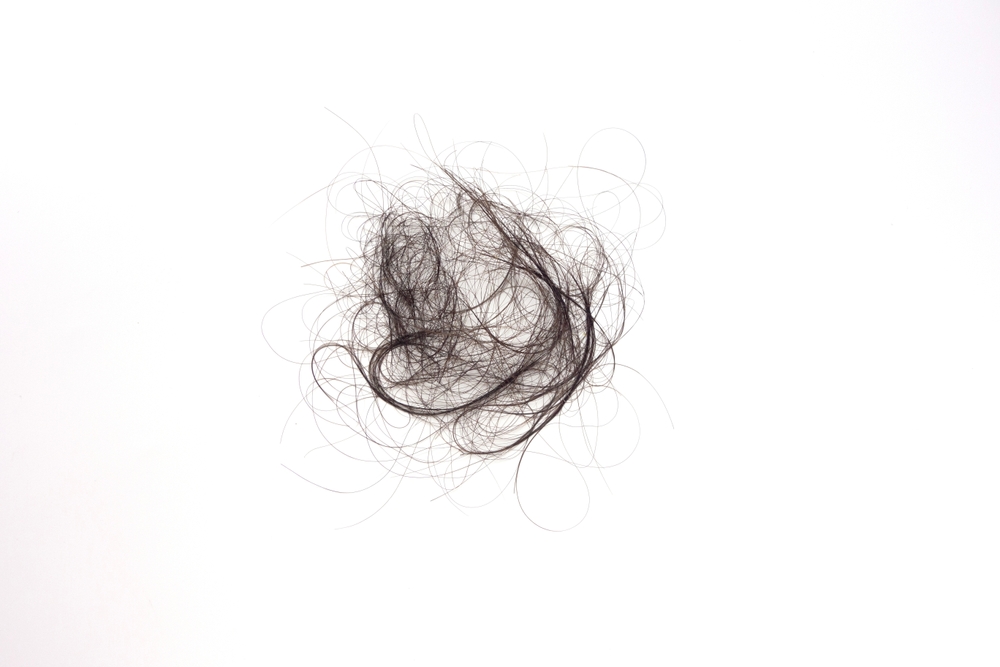
Hair loss can be gradual or sudden, temporary or permanent—and it's more common than you think. From hormonal shifts and genetics to stress and nutritional imbalances, there are many reasons people experience thinning or balding. At AlviArmani, we believe understanding the root cause is the first step toward real results. This page explores the most common causes and explains what you can do to regain confidence in your hair.
The human head has on average between 80,000 and 150,000 hairs.
Explore by Topic
What Is a Hair Graft?
Understand the basic unit of hair transplantation and why quality matters more than quantity.
The Hair Growth Cycle
Learn the science of anagen, catagen, and telogen—and how disruption affects visible density.
Types of Hair Loss
From male pattern baldness to traction alopecia, explore the most common hair loss conditions.
Root Causes of Hair Loss
Uncover the hormonal, genetic, and lifestyle factors that lead to thinning, shedding, and balding.
DHT and Hair Loss
Discover how dihydrotestosterone affects follicles and what you can do about it.
Follicular Units Explained
Why we focus on the unit—not just the count—for achieving natural, full results.
The Hair Growth Cycle
The average person sheds 50–100 hairs per day as part of the normal hair growth cycle.
Hair regrowth doesnt happen all at once—it moves through a cycle that includes growing, resting, and shedding. Each follicle operates independently and produces strands of hair in phases:
- Anagen Phase: The active growth stage, where new hair pushes through the scalp and extends the hair shaft.
- Catagen Phase: A short transitional phase when growth slows and follicles shrink.
- Telogen Phase: The resting period before shedding occurs. Up to 10% of follicles are in this phase at any time.
- Exogen Phase: The shedding phase, often mistaken for lost hair. Up to 100 hairs may be shed daily, as normal and physiological.
Disruptions in this cycle—from stress to medications to conditions like anagen effluvium—can delay new hair growth or shorten growth phases, becoming a major and common cause of hair loss.
Top 5 Causes of Hair Loss
- Genetics / Hereditary Hair Loss – Also known as androgenic alopecia, the most common cause.
- Hormonal Changes – Pregnancy, menopause, thyroid imbalances, or stopping birth control pills.
- Medical Conditions – Including alopecia areata, lupus, iron deficiency, and autoimmune disease.
- Medications & Treatments – Such as chemotherapy, blood pressure drugs, and hormone therapy.
- Stress & Lifestyle Factors – Physical trauma, emotional stress, weight loss, low quality hair products or poor nutrition.
Male vs Female Pattern Hair Loss
Pattern hair loss is the most common type of hair loss, affecting millions globally. While both men and women can experience it, the patterns differ.
Male pattern hair loss usually begins at the temples or crown and forms a recognizable receding hairline. Over time, this may lead to baldness on the top of the head. Read more on male pattern baldness ->
Female pattern hair loss tends to show as diffuse hair thinning across the scalp, particularly along the part line. Total baldness is rare in women. Read more on female pattern hair loss ->
Both types are forms of hereditary hair loss, though hormones, aging, and health can influence their severity. Diagnosing the right type of hair loss is key to choosing the best solution—from topical therapies to hair transplant procedures.
Take A Look At The AlviArmani Hair Loss Scale. More Comprehensive Than Norwood. Learn More
Scarring vs. Non-Scarring Alopecia
A critical distinction in diagnosis is whether hair loss is non-scarring (reversible potential) or scarring (cicatricial; permanent). Early evaluation matters because scarring forms can destroy follicles if untreated.
Non-Scarring Alopecia
- Follicles remain intact; regrowth is often possible.
- Common causes: Androgenetic Telogen Effluvium Alopecia Areata Traction
- Scalp surface looks normal; no permanent scarring on exam.
- Management: medical therapy, nutrition/stress optimization, procedures (PRP/exosomes), and in some cases FUE transplant.
Scarring (Cicatricial) Alopecia
- Follicles are destroyed and replaced by scar tissue.
- Examples: Lichen Planopilaris (LPP) Central Centrifugal Cicatricial Alopecia (CCCA) Frontal Fibrosing Alopecia (FFA) Discoid Lupus
- Clues: redness, scaling, burning/itching, diminished follicular openings.
- Management: prompt dermatologic care to calm inflammation; transplants considered only when disease is inactive/stable.
Why it matters: Scarring alopecias need early anti-inflammatory treatment to preserve remaining follicles. If you notice symptoms like scalp pain, scale, or rapid patchy loss, seek expert evaluation.
Top 5 Diagnostic Tools for Hair Loss
A precise diagnosis drives better results. Here are common tools your clinician may use:
- Scalp & Hair Examination (Trichoscopy/Dermoscopy) — Magnified visualization to assess miniaturization, scaling, perifollicular redness, and follicular openings.
- Hair Pull/Wash Test — Gentle traction or standardized wash quantifies shedding and helps identify acute telogen effluvium.
- Photographic Monitoring & Densitometry — Serial standardized photos and density counts to track progression and treatment response.
- Targeted Laboratory Tests — For selected patients: iron studies (ferritin), thyroid function, vitamin D/B12, and others based on history.
- Scalp Biopsy (When Indicated) — Small tissue sample confirms or rules out scarring (cicatricial) alopecia and inflammatory patterns.
At AlviArmani, we combine careful clinical evaluation with imaging and standardized photography to individualize your plan—and determine whether medical therapy, injectables, or FUE transplantation is appropriate.
Just because the hair is gone, doesn't mean the follicle is gone.
Frequently Asked Questions
Is hair loss permanent?
It depends on the cause. Genetic hair loss (androgenetic alopecia) is typically progressive and permanent without treatment. However, other causes—such as stress, medication, or poor nutrition—may be reversible.
Can young people experience hair loss?
Yes. While more common with age, hair loss can begin as early as the teens or twenties, especially in cases of male pattern baldness or hormonal imbalances.
What is the most common type of hair loss?
Androgenetic alopecia, also known as male or female pattern baldness, is the most common cause. It affects millions worldwide and is often genetic in nature.
How long does the hair growth cycle last?
The full cycle can span 2–7 years. Each follicle moves through the anagen (growth), catagen (transition), and telogen (resting/shedding) phases at its own pace, influenced by genetics and health factors.
Can hair grow back after alopecia areata?
Sometimes. Alopecia areata is an autoimmune condition that can be unpredictable. In many cases, hair regrows, but recurrence is common. Early treatment improves outcomes.
5 Broad Categories of Hair Loss Treatment
- Topical Solutions – Minoxidil, botanical serums, and scalp-boosting foams for new hair growth support.
- Oral Medications – Finasteride, hormonal blockers, and supplements targeting internal causes of hair loss.
- Injectables – Platelet-rich plasma (PRP), exosomes, or growth factor therapies delivered directly to the scalp.
- Hair Transplant Surgery – FUE-based procedures like Vitruvian FUE™ for dense, natural results.
- Lifestyle & Supportive Therapies – Nutrition, stress management, Origenere® post-op kits, and proper hair care routines.
Essential Hair Loss Terms
These foundational terms help you better understand your diagnosis and treatment options. Whether you're new to your hair loss journey or researching advanced care, these are key concepts to know.
DHT
Dihydrotestosterone, a hormone linked to follicle shrinkage and genetic hair loss in men and women.
Telogen Effluvium
A temporary form of hair loss triggered by stress, illness, or hormonal changes like childbirth or surgery.
Androgenetic Alopecia
Also known as pattern baldness, this is the most common cause of permanent hair loss, often hereditary.
Follicular Unit
A natural grouping of 1–4 hairs. Transplants use these units to create natural density and flow.
Anagen
The active growth phase in the hair cycle. Lasts 2–6 years and determines hair length.
Hair Growth Cycle
The recurring phases of hair growth: anagen (growth), catagen (transition), and telogen (rest). Each follicle cycles independently.
Follicle Stem Cells
Cells located in the hair follicle's bulge region that control regeneration and cycling. Damage to these can prevent regrowth.
Hair Graft
A cluster of 1–4 hairs transplanted from the donor to the recipient area. Quality and placement impact results.
Alopecia Areata
An autoimmune disorder that causes patchy hair loss. Can affect the scalp, beard, or entire body.
Scarring Alopecia
Permanent hair loss caused by inflammation that destroys follicles and replaces them with scar tissue.
Telogen
The resting and shedding phase of the hair cycle. Lasts ~3 months before the anagen phase begins again.