
This documented Norwood 6 patient underwent a 3,078-graft FUE hair transplant with Dr. Michelle Ischayek at Alvi Armani Beverly Hills. Treatment was focused through Zones 1 and 2 and the anterior portion of Zone 3, with PRP performed as an adjunct to the procedure.
Frontal Restoration in a Norwood 6 Patient
This case documents a 3,078-graft restoration focused on the frontal portion of an advanced hair-loss pattern. The operative treatment included Zones 1 and 2 and extended into the anterior portion of Zone 3.
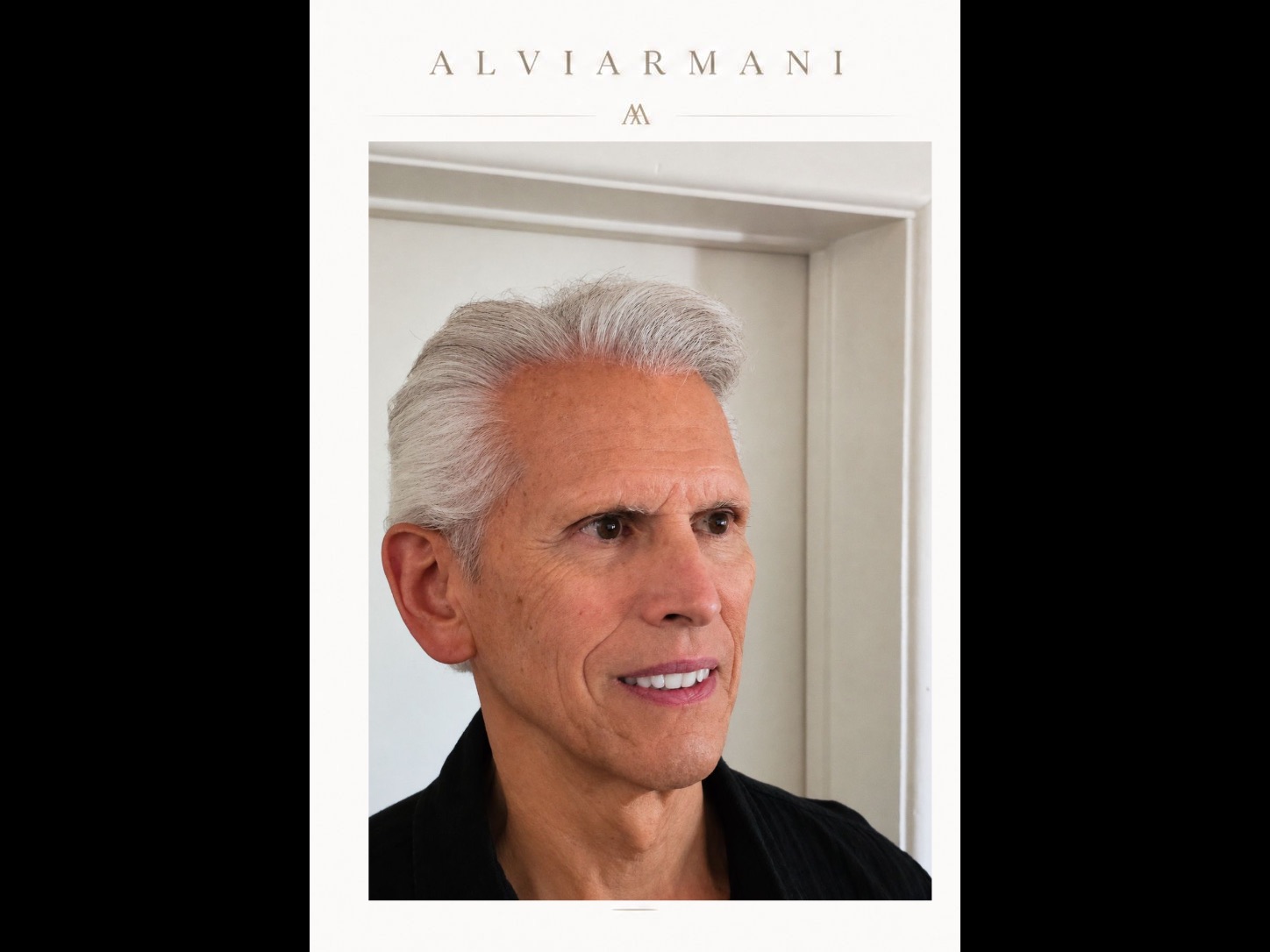
Norwood 6 · Alvi Armani Pattern 3, Class 7
Before surgery, the patient's documented hair-loss classification was Norwood Class 6 and Alvi Armani Pattern 3, Class 7.
The classification describes the patient's overall starting pattern. It should not be interpreted to mean that every affected region was treated during this procedure. The documented operative treatment was limited to Zones 1 and 2 and the anterior portion of Zone 3.
3,078 Grafts Focused Through the Frontal and Anterior Mid-Scalp
The documented procedure placed 3,078 FUE grafts into Zones 1 and 2 and the anterior portion of Zone 3. This represents a focused treatment strategy within a broader Norwood 6 hair-loss pattern rather than full-scalp transplantation during this procedure.
Frontal Priority
Treatment included Zones 1 and 2, establishing the frontal portion of the restoration.
Anterior Zone 3
The procedure extended posteriorly into the anterior portion of Zone 3 without documenting crown treatment as part of this surgery.
Documented 3,078-Graft Composition
The operative graft record documents 3,078 follicular-unit grafts: 547 single-hair grafts, 1,583 double-hair grafts and 948 triple-hair grafts.
Single-Hair Grafts
547 documented singles.
Multi-Hair Grafts
1,583 doubles and 948 triples.
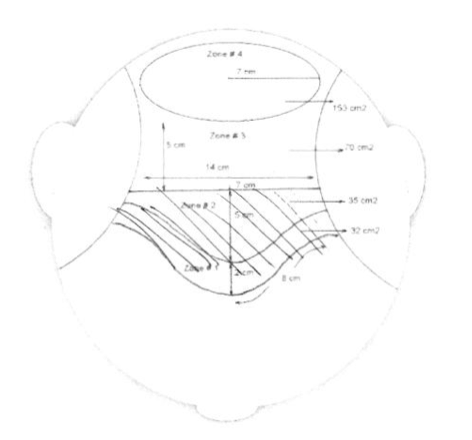
Additional Views of the 3,078-Graft Restoration
Additional photography provides further views of the documented restoration. The current case record does not establish the exact follow-up interval for these photographs, so no specific postoperative timing is assigned to them here.

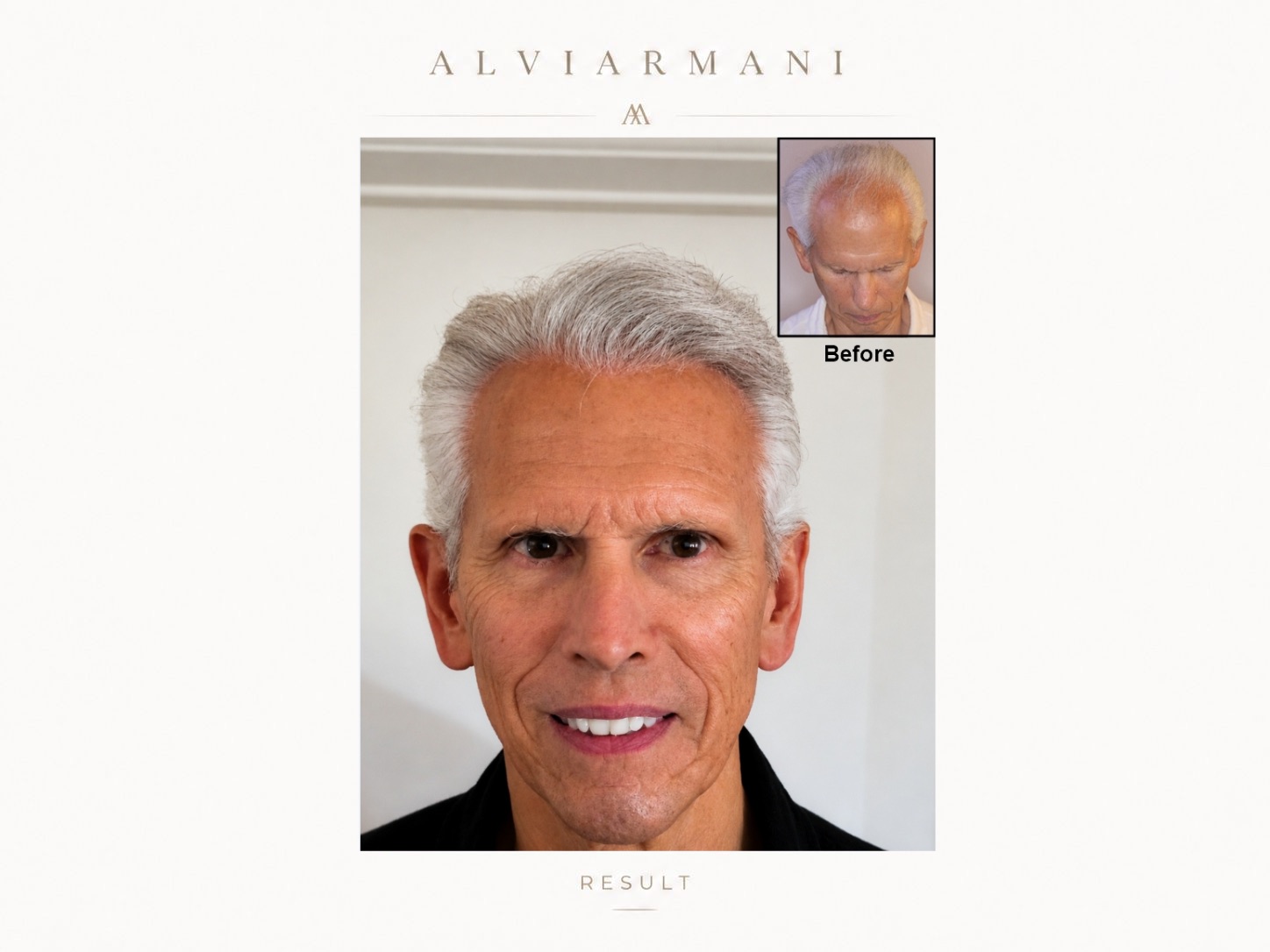

Zones 1–3
Norwood 6 Does Not Automatically Mean Full-Scalp Treatment
This patient had a documented Norwood 6 pattern, but the September 2025 procedure focused 3,078 grafts through Zones 1 and 2 and the anterior portion of Zone 3.
The case is useful evidence that hair-loss classification and actual treatment area are separate pieces of the surgical plan. A patient may have advanced hair loss while a particular procedure prioritizes selected recipient zones.
This does not mean every Norwood 6 patient requires 3,078 grafts or should receive the same treatment pattern. Appropriate graft requirements depend on recipient-area size, donor resources, existing native hair, hair characteristics and the goals of the individual restoration.
About This 3,078-Graft Norwood 6 Case
How many grafts were transplanted?
The documented procedure used 3,078 FUE grafts.
Which areas were treated?
The documented operative treatment included Zones 1 and 2 and the anterior portion of Zone 3.
Was the crown treated?
Crown treatment is not documented as part of this procedure. The operative treatment documented for this case was Zones 1 and 2 and anterior Zone 3.
What was the patient's hair-loss classification?
The patient was documented as Norwood Class 6 and Alvi Armani Pattern 3, Class 7.
What types of grafts were used?
The operative record documents 547 single-hair grafts, 1,583 double-hair grafts and 948 triple-hair grafts, totaling 3,078 grafts.
Was PRP used with the procedure?
Yes. PRP is documented as an adjunct to the September 2025 FUE procedure. This case does not establish a specific causal effect of PRP on the patient's result.
Learn More About This Team, Location and Result
Explore the treating physician, Beverly Hills surgical center and additional documented Alvi Armani patient results.
Your FUE Hair Transplantation Plan Is Individual
Graft count is only one part of planning. Your hair-loss pattern, treatment areas, existing native hair, donor resources and long-term goals all influence the appropriate approach.