
A documented AlviArmani Vitruvian FUE restoration performed in Beverly Hills using 3,500 grafts across the hairline, temples and frontal region. The patient was documented as Norwood 4/5 / AlviArmani Pattern 1 Class 5, with deep frontal recession and tightly curled hair characteristics incorporated into the treatment plan.
3,500-Graft Hairline, Temple and Frontal Restoration
This case documents a 3,500-graft Vitruvian FUE procedure restoring the patient's hairline, temples and frontal region. The available photographic evidence shows the frontal restoration from multiple perspectives.
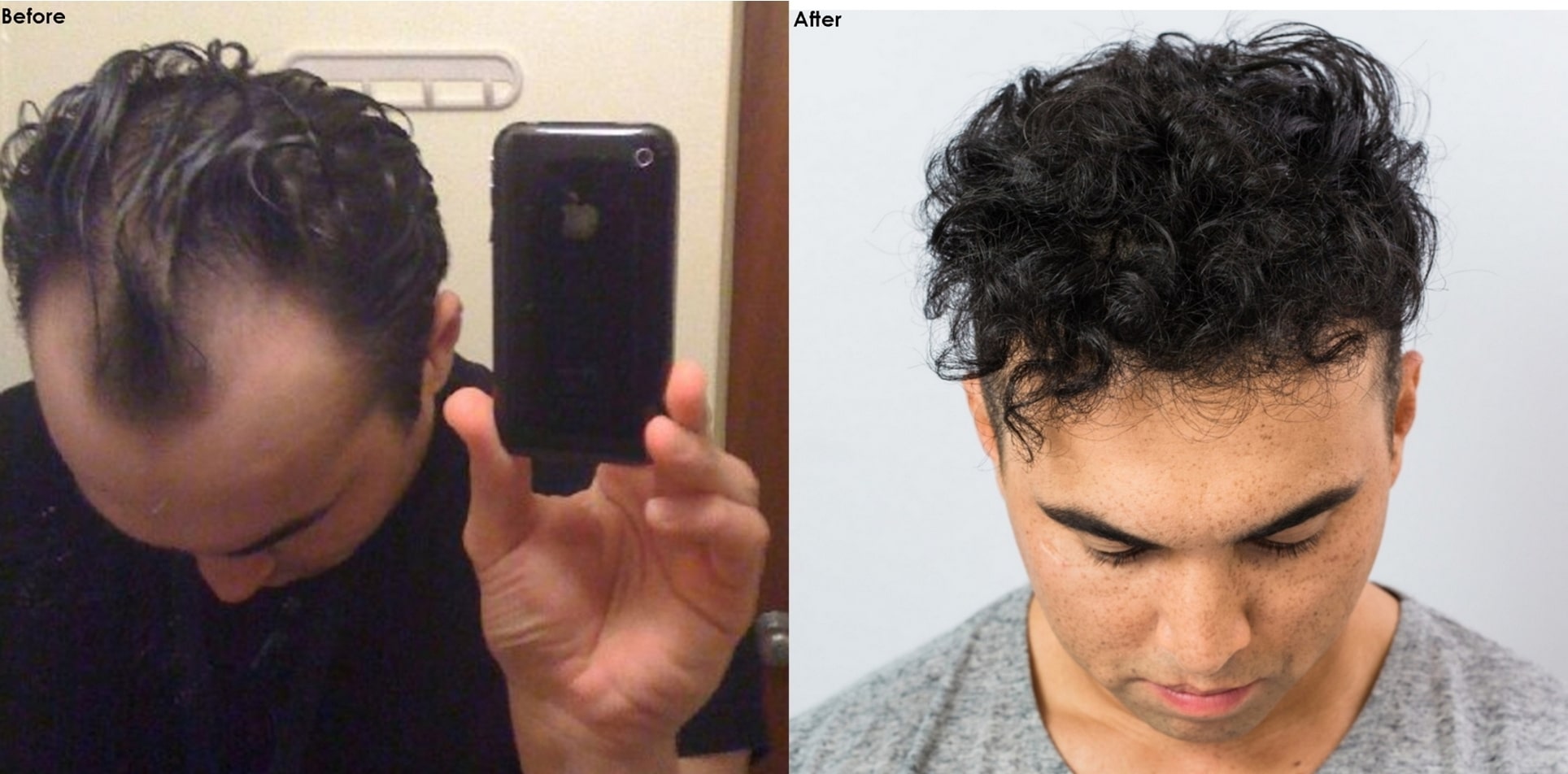
Norwood 4/5 With Deep Frontal and Temple Recession
The patient was documented as Norwood 4/5 / AlviArmani Pattern 1 Class 5. The preoperative views show substantial recession through the frontal hairline and temporal regions together with thinning farther through the frontal scalp.
The documented treatment plan addressed the hairline, temples and frontal region rather than attempting a full-scalp restoration.
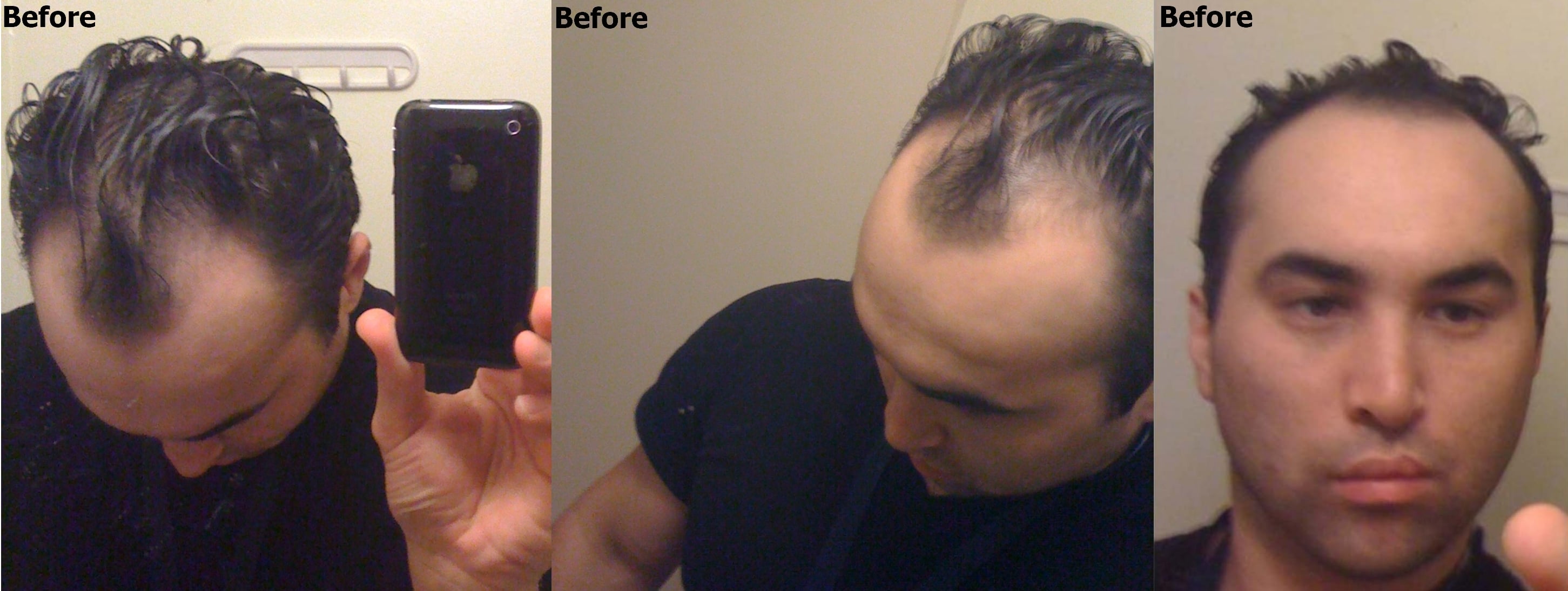
Reconstructing the Frontal Frame With 3,500 Grafts
The procedure used 3,500 Vitruvian FUE grafts across the hairline, temples and frontal region.
The documented planning description also identifies the patient's tightly curled hair characteristics as part of the surgical context. Hair characteristics can influence how the hairline, temple transitions and surrounding native hair are approached during an individual restoration.
Hairline & Temple Restoration
Both the hairline and temples were documented treatment areas. Reconstructing those regions established the anterior boundaries of the frontal restoration.
Frontal Forelock & Region
Treatment extended behind the hairline into the frontal region, including the documented frontal forelock rather than stopping at the leading hairline alone.
Postoperative and Result Views of the Frontal Restoration
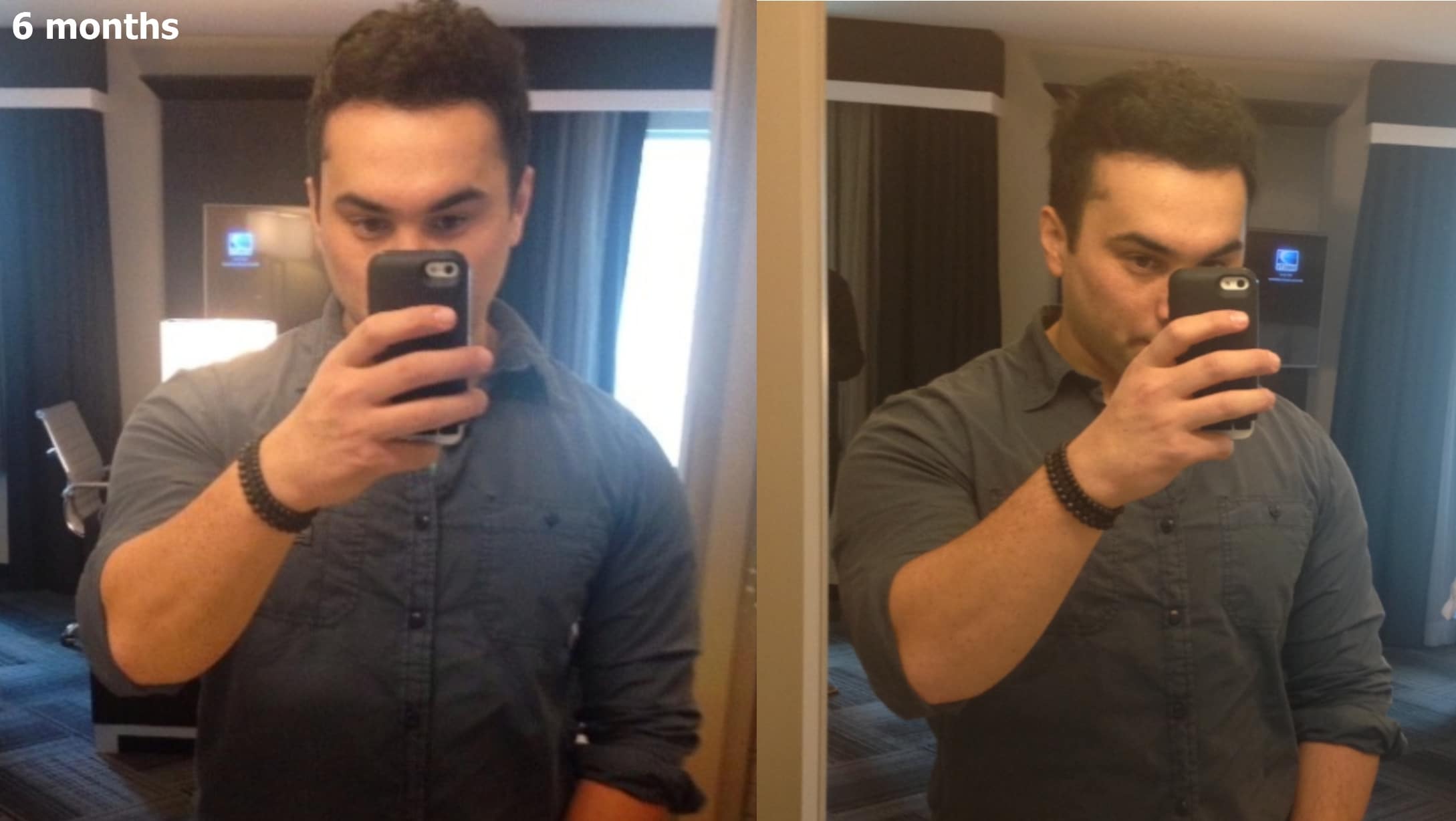
The available case imagery includes postoperative and later-result views of the treated frontal region, providing additional context for the relationship between the recipient area and the subsequent appearance.
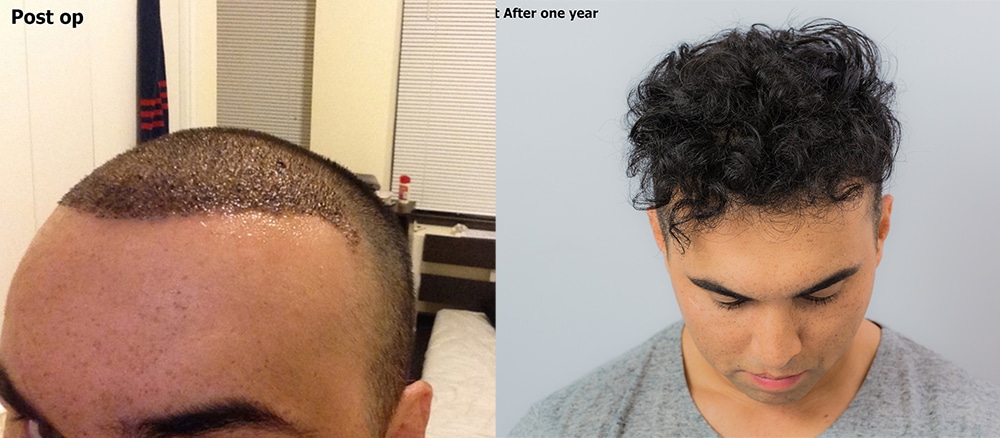
Frontal Appearance Six Months After 3,500-Graft FUE
One of the supplied result images is identified in the existing case record as approximately six months after surgery. It provides an interim view of the hairline, temple and frontal restoration at that stage of growth.
Because six months represents an interim postoperative milestone, this image should not be interpreted as the final appearance of the transplant.
Temples & Front
A 3,500-Graft Procedure Can Reconstruct the Entire Frontal Frame
This case provides a different 3,500-graft example from a procedure limited primarily to Zones 1 and 2 without documented temple reconstruction.
Here, the documented treatment included the hairline, temples and frontal region, demonstrating how the same graft-count range can support a broader frontal restoration when those areas are selected as the surgical priority.
The documented six-month photograph also provides useful interim evidence rather than presenting every result image as if it represented the same postoperative stage.
This does not mean every Norwood 4/5 patient requires 3,500 grafts. Appropriate graft requirements depend on recipient-area size, donor resources, existing native hair, hair characteristics and the goals of the individual restoration.
Understanding This 3,500-Graft Frontal Restoration
How many grafts were used in this procedure?
The documented procedure used 3,500 FUE grafts.
Which areas were treated?
The documented treatment areas were the hairline, temples and frontal region, including the frontal forelock.
What was the patient's hair-loss classification?
The patient was documented as Norwood 4/5 / AlviArmani Pattern 1 Class 5.
What hair characteristics were documented?
The existing case record describes the patient's hair as tightly curled. This characteristic formed part of the documented planning context for the frontal restoration.
Was the crown treated?
Crown treatment is not documented for this procedure. The documented treatment involved the hairline, temples and frontal region.
When was the result photographed?
One supplied result image is identified in the existing case record as approximately six months postoperative. Six months represents an interim stage rather than a final result.
Does every Norwood 4/5 patient require 3,500 grafts?
No. Graft requirements depend on recipient-area size, donor resources, existing native hair, hair characteristics and the goals of the individual restoration.
Learn More About the Team, Location and Patient Results
Explore the AlviArmani provider team and Beverly Hills clinic, compare additional patient results, or begin an individualized evaluation of your own restoration goals.
Your Hair Restoration Plan Is Individual
Graft count is only one part of planning. Your hair-loss pattern, treatment areas, existing native hair, donor resources and long-term goals all influence the appropriate approach.