
Hair Loss Treatment for Men: Breakthrough Baldness Cure in 2026?
Key Takeaways
Key Takeaways for 2026 Hair Loss Breakthroughs
-
-
Foundational treatments remain essential — Hair transplantation (including FUE), approved medications, and proper scalp/hair care remain the backbone of modern hair restoration, with well-established roles in maintaining and restoring hair.
-
Amplifica’s AMP-303 and Pelage’s PP405 show strong early clinical data, offering non-hormonal pathways for regrowth.
-
Next-wave candidates like ET-02 and VDPHL01 are advancing in human trials, with potential to add pigment restoration and oral convenience.
-
Exosomes and 2-Deoxy-D-Ribose represent exciting biologic and metabolic approaches, but require standardization and larger studies before broad adoption.
-
The Future is Hybrid — the most effective 2026 protocols blend established solutions like FUE and PRP, alongside selectively integrated platforms such as TR6™, with carefully chosen emerging therapies under expert oversight.
-
- PP405 remains investigational (no retail release). We track milestones on its spoke page.
- ET-02 remains early-stage. Public Phase 1 results are available, but broad public confirmation of active Phase 2 enrollment or outcomes has not been released as of Apr 11, 2026.
- AMP-303, Exosomes, 2-Deoxy-D-Ribose, and VDPHL01 remain key areas to watch as early signals continue to mature into clearer clinical positioning.
Introduction
Options. They now exist in the hair loss venue. With a medley now available in the industry. Hair loss treatments for men are evolving rapidly, and 2026 is set to redefine the possibilities of male pattern hair loss.
With advancements like stem cell therapy and improved formulations of finasteride and minoxidil, options are both exciting and more accessible. These solutions aim to address not just thinning hair but also the underlying causes, offering long-term benefits that go beyond traditional methods. Whether it's groundbreaking regenerative techniques or the integration of technology like low-level laser therapy, there’s a clear shift toward personalized and effective solutions.
What 2025 Changed: Momentum, Milestones, and Capital
2025 marked a turning point for the hair restoration field—not because of a single breakthrough, but because of convergence. Multiple therapies advanced simultaneously, backed by meaningful clinical progress and increasing institutional investment.
- Clinical Progress Accelerated: Candidates like PP405 moved into Phase 2a with encouraging human data, while programs such as AMP-303 demonstrated early efficacy signals in human studies. ET-02 introduced a novel dual pathway targeting both hair growth and pigment restoration.
- Late-Stage Pipelines Strengthened: Programs like VDPHL01 advanced into Phase 3 development, signaling that non-hormonal and reformulated pathways (such as extended-release minoxidil) are approaching potential commercialization.
- Regulatory Momentum Increased: Breezula reported positive Phase III topline results, marking one of the closest topical anti-androgen therapies to potential approval.
- Capital and Funding Expanded: Venture-backed companies across regenerative medicine, follicle biology, and metabolic pathways saw increased funding, reflecting growing confidence that hair loss is no longer a purely cosmetic space—but a biologically addressable condition.
- Shift Toward Hybrid Models: Perhaps most importantly, 2025 reinforced that the future is not singular. The most effective approaches now combine surgical precision (FUE), biologics (PRP, exosomes), and emerging pharmacologic agents into integrated treatment pathways.
This momentum sets the stage for 2026—not as a year of speculation, but as a year of validation, where early signals begin to translate into scalable, real-world solutions.
Breakthroughs expand what’s possible — design determines what’s achieved. Foundational pillars like hairline design, crown architecture, and FUE hair transplantation—especially design-driven approaches like Vitruvian FUE™—remain the backbone of any effective hair restoration plan. Biologic therapies like PRP and exosomes enhance outcomes by improving follicle signaling, graft survival, and scalp environment—but they are most powerful when layered onto strong structural design. Explore the full system at AlviArmani.
Get an assessment of your hair restoration options today ->
Check out our comparison of Dutasteride vs Finasteride and explore how targeted medications play a role in the future of hair restoration.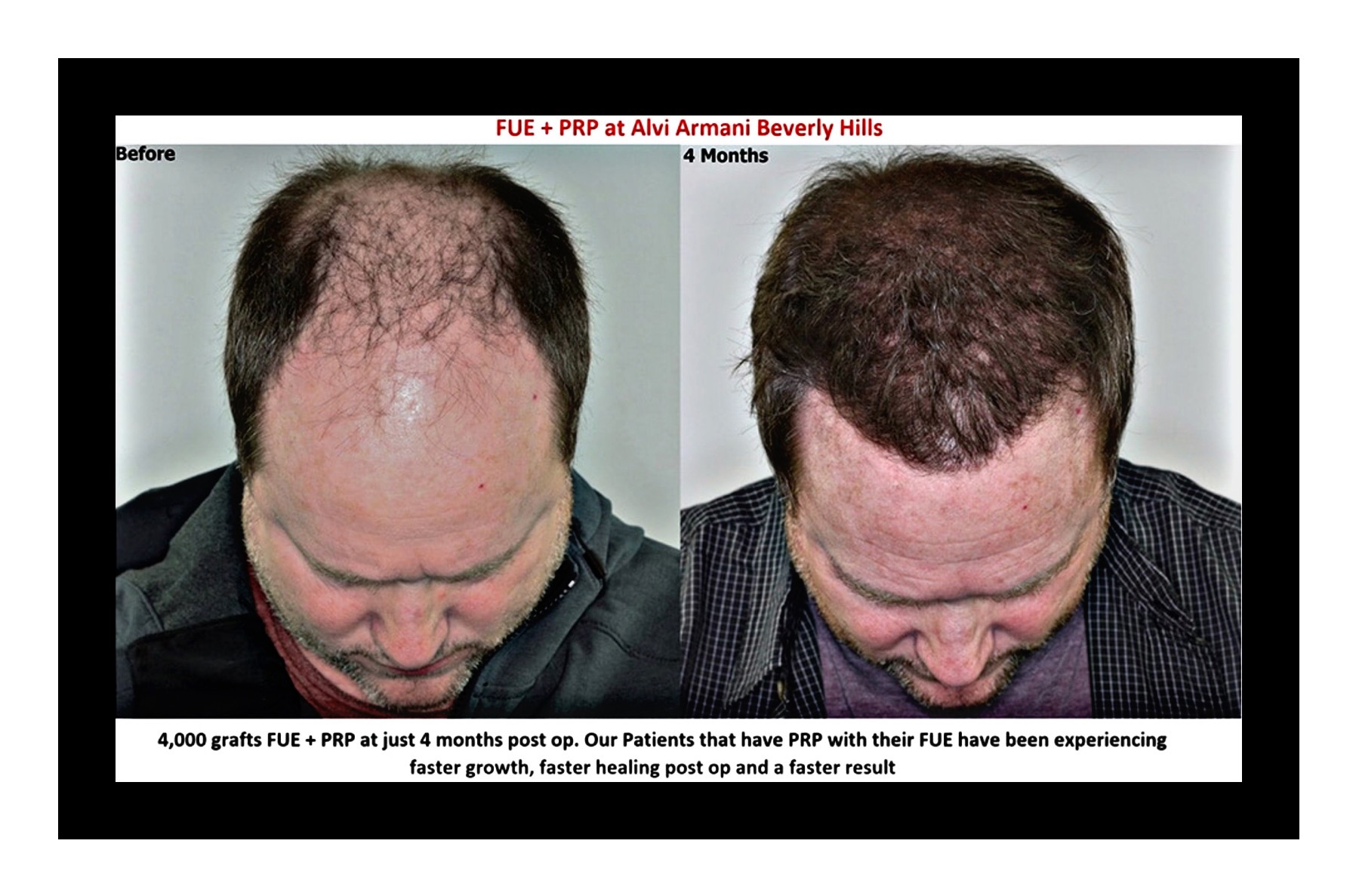
At-a-Glance: Breakthrough Hair Loss Options (2026)
| Treatment | Stage | Mechanism | Pros | Watch-outs |
|---|---|---|---|---|
| Vitruvian FUE™ | In use | Autologous follicle relocation; graft survival enhanced by Ampligraf™ + AMP-T PRP™ | Highest reliability; design-driven density | Surgical recovery; donor supply limits |
| PRP Therapy | In Use | Platelet-derived growth factors stimulate follicle repair | Safe, regenerative, widely available | Multiple sessions; response varies |
| TR6™ | In use (clinic + consumer) | Botanical complex modulating DHT + pro-growth signaling | Non-hormonal; proprietary; integrates with Sempre™ line | Adjunctive (not standalone for advanced loss) |
| AMP-303 | First-in-human clinical stage | Injectable, non-hormonal follicle reactivation | Single-treatment human data showed increased non-vellus hair counts and frontal-temporal improvement signals | Investigational; durability and repeat-treatment strategy still under study |
| PP405 | Phase 2a | MPC inhibitor → regenerative glycolysis | Encouraging density; topical | Pending longer trials |
| ET-02 | Phase 1 completed; Phase 2 has been discussed publicly, but broad confirmation of active enrollment has not been released | Rejuvenates follicle + melanocyte stem cells | Non-hormonal; regrowth + pigment effects | Still investigational |
| VDPHL01 | Phase 2 and Phase 3 studies underway | Extended-release oral minoxidil therapeutic | Large multi-center trial; oral convenience | Profile vs finasteride TBD |
| Exosomes | Early clinical / adjunct | Cell-derived vesicles with pro-growth signals | Compelling biologic rationale | Standardization still evolving |
| 2-Deoxy-D-Ribose | Early clinical signal | VEGF-mediated angiogenesis | Non-hormonal concept; vascular support | Human randomized trial activity is now listed, but efficacy and safety remain unproven |
PP405 (Pelage)
Topical MPC inhibitor; early human signals; not approved or for sale.
ET-02 (Eirion)
Dual action (hair + pigment); public Phase 1 results are available, while broader Phase 2 enrollment has not been publicly confirmed.
AMP-303 (Amplifica)
Injectable, non-hormonal follicle reactivation candidate with encouraging first-in-human data.
Exosomes
Biologic signaling; protocols vary; durability & safety under study.
2-Deoxy-D-Ribose (2DDR)
VEGF/angiogenesis hypothesis; early human trial activity is now listed, but efficacy remains unproven.
VDPHL01 (Veradermics)
Extended-release oral minoxidil candidate; Phase 2 and Phase 3 studies are underway.
Head-to-Head: Emerging Therapies Comparison (2026)
Side-by-side look at mechanisms, current evidence, and fit.
| Candidate | Mechanism | Evidence status | Who it may fit | Key caveat |
|---|---|---|---|---|
| PP405 | MPC inhibition → pro-regenerative metabolism | Phase 2a / early human signals | Non-hormonal seekers; minoxidil/finasteride non-responders | Investigational; availability unknown |
| ET-02 | Reactivates follicle & melanocyte stem cells | Phase 1 data; Phase 2 has been discussed publicly, but broad confirmation of active enrollment has not been released | Interest in regrowth + re-pigmentation | Early-stage; timelines fluid |
| AMP-303 | Injectable, non-hormonal follicle reactivation | First-in-human data with early efficacy signals | Patients seeking non-hormonal regenerative options within a broader protocol | Still investigational; durability and scaling strategy remain under study |
| Exosomes (clinic) Exosomes (review) | Extracellular vesicle signaling | Early clinical/adjunct; variable protocols | Clinic-guided biologic adjuncts | Standardization, long-term safety |
| 2DDR | Angiogenesis (VEGF) support | Early human trial activity now listed | Early-concept followers | No human RCTs yet |
| VDPHL01 | Extended-release oral minoxidil | Phase 2 and Phase 3 studies underway | Prefers oral convenience; clinic oversight | Profile vs finasteride TBD |
Emerging Non-Surgical Hair Restoration Advances
Individual hair follicles everywhere, you are on notice. Non-surgical hair restoration solutions are the future. As non-surgical alternatives for hair restoration continue to gain traction, 2026 brings some of the most promising advancements yet.
From highly targeted treatments like PRP therapy to cutting-edge technology such as scalp micropigmentation, these solutions offer men effective ways to tackle male pattern baldness without surgery.
Today the treatment of hair loss by the best healthcare providers involves a treatment plan which considers all these new modalities in achieving the patient's ideal result
Platelet-Rich Plasma (PRP) Therapy
PRP therapy is in a league of its own when it comes to stimulating hair regrowth. By concentrating a patient’s own platelets and injecting them into the scalp, this treatment delivers growth factors and proteins directly to hair follicles. The result? Improved follicular activity, a boost in hair density and slowing of further hair loss.
In 2026, advances in PRP focus on improved formulations. Physicians are now leveraging advanced kits to create more powerful mixtures. This means better outcomes, quicker results, and improved overall efficacy. Additionally, enhanced centrifuge machine techniques now allow for even richer platelet concentrations, giving your scalp an extra regenerative punch.
AlviArmani does not use outside kits for PRP. All the processes for PRP development have been developed by AlviArmani Research Institute and clinically tested by AlviArmani Medical Groups globally. Read about what makes our PRP different.
Exosome Therapy
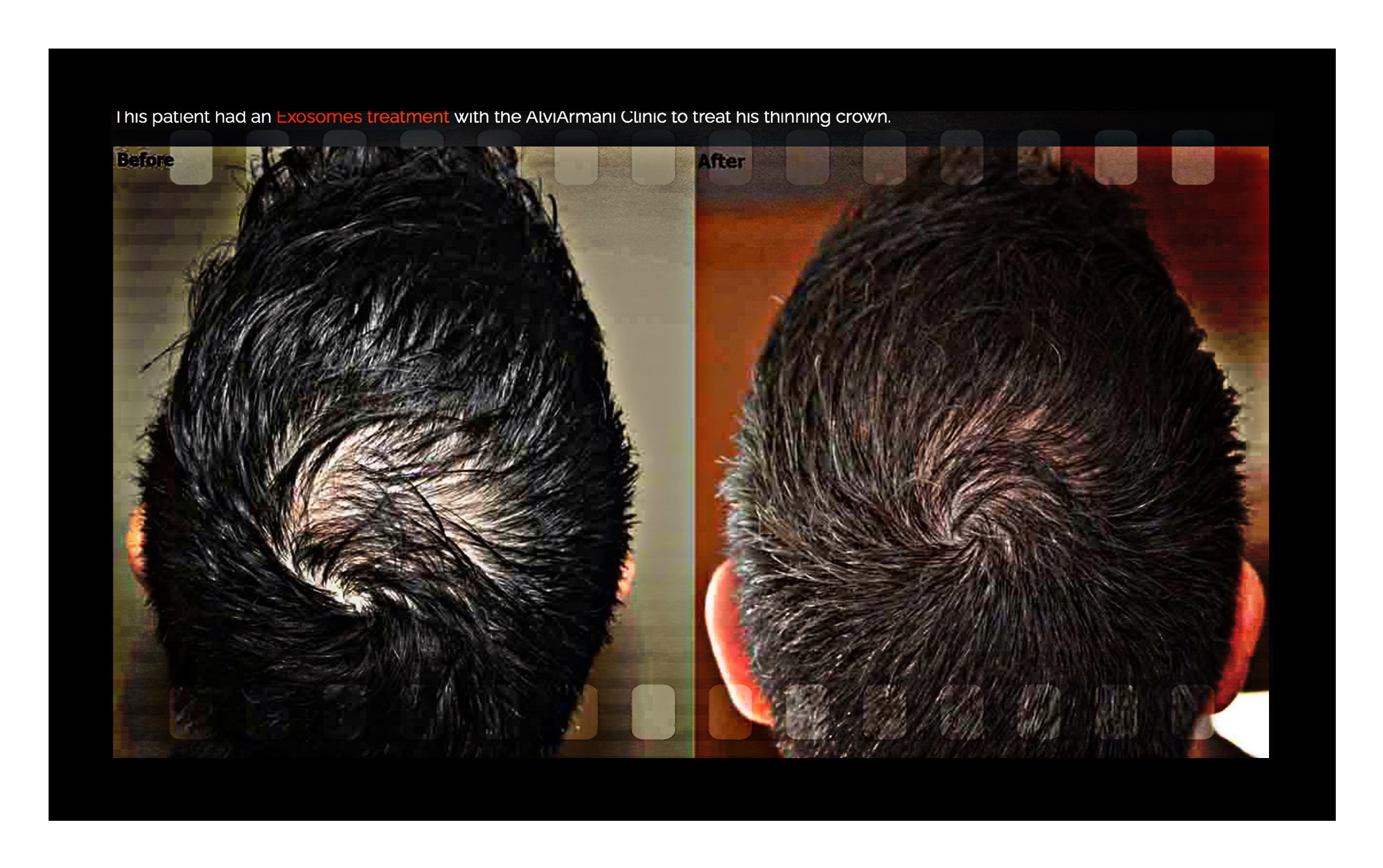
Exosome therapy represents one of the most discussed biologic adjuncts in hair restoration—but also one of the most misunderstood.
Exosomes are extracellular vesicles that carry signaling molecules (proteins, RNA, growth factors) that influence follicular behavior. In theory, they enhance communication within the follicular microenvironment—supporting regeneration, reducing inflammation, and improving overall follicle performance.
However, unlike PRP, exosome therapy is still in an early clinical phase with significant variability across products and protocols.
What we know in 2026:
- Clinical studies suggest improvements in hair density and thickness in select patients
- Outcomes are highly dependent on source, processing, and dosing
- There is no standardized protocol across clinics
- Long-term safety and durability data remain limited
Where exosomes actually fit:
Exosomes are best understood as a biologic amplifier—not a standalone solution. Their highest value is in combination with structural treatments like FUE and regenerative platforms like PRP, where they may improve graft survival, healing, and follicular signaling.
At AlviArmani, exosomes are evaluated rigorously using internal assays such as MicroScalp technology, with ongoing vendor validation to ensure consistency and performance.
For more on this evolving space, review our clinical data on exosome therapy for hair loss.
Scalp Micropigmentation (SMP) Technology
Scalp micropigmentation has come a long way from its early days. At its core, this type of hair loss treatment is a tattooing technique that mimics the appearance of hair follicles. However, advancements in pigment technology are a game-changer in 2026. Today’s pigments are designed to maintain their color over years while blending seamlessly with various skin tones.
What sets modern SMP apart is its ability to replicate even the most natural hairlines. State-of-the-art application methods now create a three-dimensional effect, eliminating that past “stamped-on” look. Whether you’re looking for a buzz-cut effect or simply want to improve the illusion of density, SMP is more realistic and long-lasting than ever.
For men exploring diverse restoration strategies, combining these non-invasive options with more traditional therapies can optimize for the best results. To stay up to date on breakthroughs like TR6 for natural hair regrowth, consider learning about the newest natural regrowth treatment.
By staying informed about these emerging techniques, men are better equipped to navigate their journey toward fuller, healthier hair.
Hair Loss Breakthroughs 2026: What’s Real vs. What’s Hype?
Here’s a grounded snapshot of where key 2026 contenders stand, based on data we track and publish:
- Closer to Reality:
Vitruvian FUE™ (with Ampligraf™ and AMP-T PRP™ integration),
PRP therapy as a proven regenerative adjunct,
and TR6™ Botanical Technology, the proprietary blend powering Sempre™ products and in-clinic protocols. Exosomes. - Promising but Early-Stage:
AMP-303,
PP405,
ET-02,
VDPHL01. - On the Horizon:
2-Deoxy-D-Ribose,
bioengineered follicle organoids.
Bottom line: Pair proven options (FUE, PRP, TR6™) with selective access to next-generation therapies as evidence matures.
Ampligraf™: Advancing Hair Transplant Infrastructure
While much of the industry focuses on drugs and biologics, one of the most meaningful advancements in hair restoration is happening at the infrastructure level.
Ampligraf™ is a proprietary operative solution designed to maintain follicle viability during the most critical phase of hair transplantation—outside the body.
Traditional graft handling exposes follicles to environmental stress, including dehydration, temperature fluctuations, and metabolic instability. Ampligraf™ was developed to address this exact problem.
What Ampligraf™ does:
- Maintains follicles in an optimized physiologic environment
- Supports cellular metabolism during ex vivo time
- Reduces oxidative stress and mechanical damage
- Improves overall graft survival and consistency
This represents a shift from focusing solely on what is implanted to how it is preserved and delivered.
In modern protocols, outcomes are no longer driven by extraction and placement alone—they are influenced by the entire perioperative environment.
Ampligraf™ integrates with systems like AMP-T PRP™ and broader AlviArmani advancements to create a controlled, reproducible framework for graft optimization.
Innovations in Hair Transplant Techniques
The landscape of hair restoration is changing dramatically as we approach 2026. Modern techniques are combining technological advancements with medical precision to create better, safer, and more effective results. Whether you're exploring robotic solutions or looking to the future of hair cloning, here’s a breakdown of the most innovative trends in hair transplant techniques.
Robotic Hair Transplants
Artificial intelligence and robotics are making waves in hair transplant procedures. These AI-powered systems are designed to enhance precision during the extraction and placement of hair follicles, minimizing human error. By using advanced imaging and mapping tools, robots can meticulously identify healthy donor hairs and optimally implant them.
One of the biggest benefits? Reduced scarring and improving time to provider training. Robotic systems ensure that hair extractions are minimally invasive, leaving barely any trace in the donor area. The precision also allows for a more natural appearance in graft placement, ensuring that the transplanted hair flows seamlessly with existing hair. These machines work tirelessly, analyzing hair angle, depth, and density to deliver unmatched results, even for complex cases.
While results pale in comparison to the top FUE surgeons, Robotic hair transplantation along with Turkey have made surgical hair restoration more accessible to the masses.
If you're curious about how advanced techniques like robotic transplants stack up against traditional methods, take a closer look at the Alvi Armani FUE Hair Transplant Technique.
FUE with Adjunct Therapies
Follicular Unit Extraction has long been a cornerstone of hair transplant surgery. What’s exciting now is how it's being paired with adjunct therapies like Platelet-Rich Plasma or exosomes to boost graft survival and enhance overall results. Imagine it as giving your new hair follicles VIP treatment—they’re not just transplanted but also nourished for optimal growth.
Adjunct therapies play a crucial role here. PRP, for example, delivers powerful growth factors directly to the newly transplanted follicles, increasing their retention rate and reducing healing time. Similarly, exosome therapy introduces bioactive molecules that guide follicles toward healthier regrowth. Together, these treatments create smarter, more efficient outcomes.
Ampligraf™ integration:
One of the most important—but often overlooked—drivers of FUE outcomes is the environment in which grafts are preserved between extraction and implantation. Ampligraf™ is designed to maintain follicles in an optimized physiologic state during this critical window, supporting cellular metabolism, reducing stress, and improving graft consistency.
In many cases, differences in outcomes between clinics are not driven by technique—but by how well the graft is protected during the procedure.
For those exploring combinations of FUE and therapies, this guide to exosome hair treatment provides valuable insights into the potential benefits.
Traveling to Los Angeles for a procedure? Learn about all the great things LA has to offer.
Hair Cloning Potential
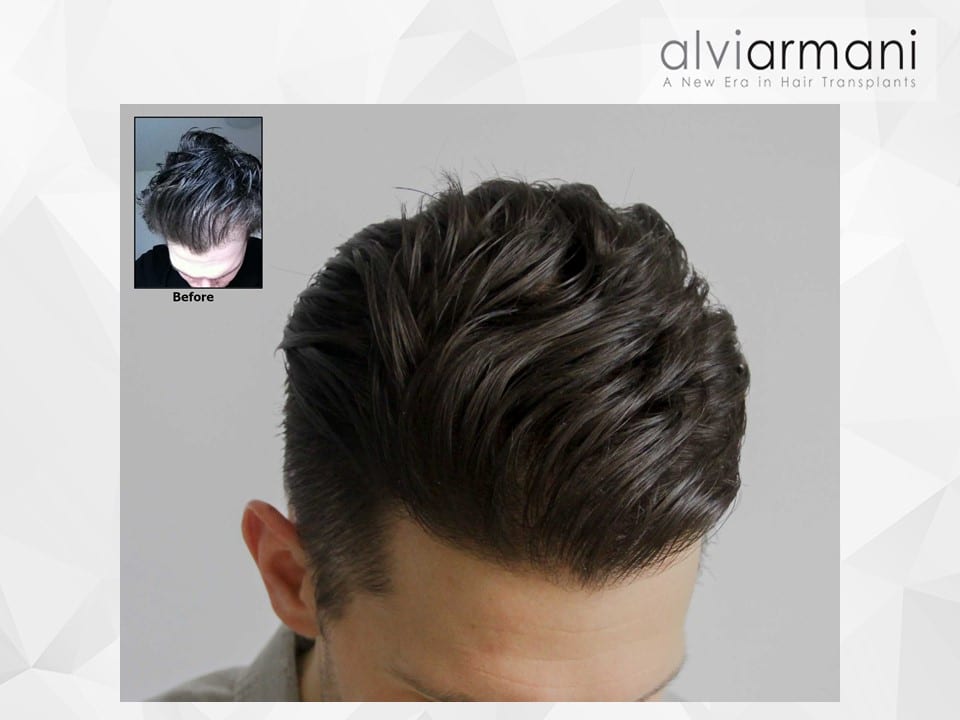
Hair cloning could be the holy grail for men struggling with extensive hair loss. Though technically still in the experimental phase, the idea involves duplicating donor hair follicles to create unlimited grafts for transplantation. This development could revolutionize hair restoration, especially for those who have a limited donor supply.
That said, it’s important to approach this topic with realistic expectations. Current research has raised questions about the feasibility of hair cloning technologies. For instance, a pivotal update from Alvi Armani's hair loss research team indicates that cloning techniques face ongoing challenges. While experiments continue, solutions will likely take years to perfect.
In the meantime, advancements like the Vitruvian FUE method have already made a transformative impact, providing reliable options for men seeking hair restoration now.
These innovative breakthroughs are giving men more hope and confidence in their journey to combat hair loss. Whether you’re ready to explore cutting-edge methods today or keeping an eye on research for the near future, the possibilities in hair restoration are moving faster than ever.
Cutting-Edge Pharmaceutical and Drug Therapies
The world of pharmaceutical solutions for hair loss is advancing rapidly, offering men safer and more effective treatments than ever before. As we approach 2026, the focus is not just on slow hair loss but on creating personalized solutions that address the underlying cause of hair loss. Here's a look at the latest innovations transforming the scene.
Advancements in JAK Inhibitors
JAK inhibitors like Olumiant (baricitinib) are breaking barriers in treating alopecia areata, a condition historically without many options aside from steroids or immunosuppressants. These drugs target the JAK-STAT signaling pathway, effectively lowering inflammation that leads to the immune system attacking hair follicles on affected area of your scalp.
The results can be dramatic. Clinical trials reveal that oral formulations often deliver visible hair regrowth in on areas derived bald spots for moderate to severe cases. However, these treatments come with caveats. Common possible side effects may include increased susceptibility to infections, headaches, or gastrointestinal issues.
Topical JAK inhibitors, currently under study, promise to provide localized effects while minimizing potential side effects. Still in the clinical trial phase, the good news is this direction points to a more targeted, safer solution for future use.
PP405: A Metabolic Approach to Hair Regeneration
PP405 represents one of the most scientifically distinct approaches to hair loss in 2026—not by targeting hormones or blood flow, but by altering cellular metabolism within the follicle.
PP405 works by inhibiting the mitochondrial pyruvate carrier (MPC), effectively shifting follicular stem cells into a more regenerative metabolic state. This mechanism is designed to reactivate dormant follicles rather than simply prolonging existing growth cycles.
What makes PP405 different:
- Non-hormonal mechanism (no DHT suppression)
- Targets follicle stem cell activation directly
- Topical delivery minimizes systemic exposure
Current status (2026):
- Phase 2a clinical data released with early signals of increased hair density
- Demonstrates favorable tolerability in early trials
- Remains investigational with no commercial availability
Where PP405 fits clinically:
PP405 is best viewed as a potential regenerative adjunct, not a replacement for foundational therapies. Its future role may include:
- Enhancing outcomes in patients already undergoing FUE
- Complementing biologic treatments like PRP and exosomes
- Providing a non-hormonal option for patients intolerant to finasteride
The key distinction: PP405 expands what is biologically possible—but outcomes will still depend on how it is integrated into a comprehensive treatment system.
While the early data is promising, longer-term studies will determine durability, optimal dosing, and real-world applicability.
AMP-303: A Signaling-Based Injectable With Early Human Traction
AMP-303 is one of the more intriguing regenerative candidates in the current pipeline because it approaches hair restoration through follicle signaling rather than hormone suppression.
Developed by Amplifica, AMP-303 is an injectable therapy intended to reactivate miniaturized follicles using a non-hormonal pathway. Its appeal lies in the possibility of producing measurable benefit without requiring daily topical use or systemic anti-androgen exposure.
What makes AMP-303 notable:
- Non-hormonal mechanism
- Injectable format rather than daily home application
- Early human data after a single treatment cycle
Current status (2026):
- First-in-human clinical results reported statistically significant increases in non-vellus hair counts
- Public updates highlighted visible improvement signals in frontal-temporal regions
- The program remains investigational, with longer-term durability and repeat-treatment strategy still under evaluation
Where AMP-303 fits clinically:
AMP-303 is best viewed as a potential regenerative add-on within a broader treatment architecture. If it continues to perform well, its future use may include:
- Supporting non-surgical restoration plans for patients seeking a non-hormonal pathway
- Complementing structural interventions like Vitruvian FUE™
- Layering with regenerative treatments such as PRP in carefully selected protocols
The core idea is compelling: rather than replacing foundational care, AMP-303 may eventually help expand the biologic ceiling of what those foundational systems can achieve.
ET 02: A Topical Therapy That Reactivates Hair Follicle and Pigment Stem Cells
ET 02 is a promising new topical treatment from Eirion Therapeutics that targets both hair thinning and graying by reactivating dormant stem cells in hair follicles and melanocytes. Unlike finasteride or minoxidil, it works at the biological level rather than by altering hormones or blood flow. In a Phase 1 trial, 5% ET 02 led to a sixfold increase in thicker hairs and nearly 10% wider shafts within five weeks. The treatment was reported to be safe and well tolerated in that early study. A larger Phase 2 program has been discussed publicly, but broad public confirmation of active enrollment or results had not been released as of Apr 11, 2026.
Learn More About ET -02 and Eirion Therapeutics here.
Topical DHT Blockers

In the fight against androgenetic alopecia, topical DHT blockers like Breezula are gaining attention. Unlike oral options, which carry risks of systemic side effects like reduced libido, these treatments work where they’re needed—on the scalp. Breezula disrupts the effects of DHT (dihydrotestosterone), the hormone that shrinks hair follicles. As of late 2025, Cosmo reported positive Phase III topline results and said U.S. and EU submissions were underway, though the product remains investigational.
Beyond synthetic options, natural DHT blockers like those discussed here are also making waves for their gentler approach. Essential oils like pumpkin seed oil, saw palmetto, tea tree oil and green tea extract are being formulated into serums and shampoos, providing a holistic pathway to regrown hair without unwanted, severe side effects.
Always remember to patch test before starting a new botanical. The most common side effect for these solutions is skin irritation. Start early as these products work great for early intervention of that receding hairline.
How Do Prescription Medications Fit in?
Prescription medications like finasteride/Dutasteride and minoxidil work for hair loss treatment in men by blocking the hormone responsible for hair loss and promoting hair growth on the scalp. They are clinically proven to slow hair loss and stimulate regrowth for men experiencing male pattern baldness. But better options may exist...
Personalized Nutraceuticals and Supplements
Nutrition plays a pivotal role in maintaining a healthy scalp and hair. Personalized nutraceuticals are changing the landscape by addressing individual deficiencies and genetic factors related to the loss of hair. These supplements often combine science-backed nutrients like biotin, zinc, and vitamin D with customized blends targeting hormonal imbalances or oxidative stress.
Whether in topical solution or oral form, these nutraceuticals are more readily available given they are otc products.
Brands are continually refining their formulas to ensure better absorption and bioavailability. If you're curious to learn more about personalized hair wellness, Origenere.com offers tailored solutions using advanced diagnostics, curated specifically for hair restoration enthusiasts.
TR6 by AlviArmani
For those seeking a cutting-edge natural alternative, TR6 by AlviArmani is grabbing headlines. This proprietary, clinically tested formulation is a game-changer in the world of non-invasive hair regrowth. Designed to stimulate the scalp and enhance follicular health without relying on synthetic chemicals, TR6 represents a new breed of effective, drug-free treatments.
Offering quicker results compared to traditional methods, TR6 works by optimizing growth factors, creating an environment conducive to hair regrowth. This innovative solution is helping men take control of hair loss with confidence. Find out more details about TR6 here.
By tackling hair loss with pharmaceutical precision and natural innovation, these groundbreaking therapies are reshaping how men approach hair restoration. With the combination of practicality and personalization, the options for combating hair loss have never looked brighter.
The Future of Regenerative Hair Solutions
The future of hair loss treatment for men is rapidly transforming, thanks to regenerative medicine and emerging innovations like stem-cell-driven therapies. These treatments are not just addressing the surface-level symptoms but targeting the fundamental causes of hair loss. Here's a closer look at the regenerative breakthroughs redefining hair restoration.
Different Types of Stem Cells

Genetic research Cell therapy is a therapy in which viable cells are injected. cell therapy research
Stem cells are revolutionizing hair restoration, offering the potential to regenerate hair follicles and promote natural growth. But not all stem cells are created equal—there are different types involved in this exciting field.
- Embryonic Stem Cells: These cells have the ability to become almost any type of cell in the body. However, their use in hair loss treatment is limited due to ethical concerns and regulation.
- Adipose-Derived Stem Cells (ADSC): Found in fat tissue, these are known for their ability to secrete growth factors that stimulate hair follicle health and regeneration.
- Hematopoietic Stem Cells: These stem cells are primarily responsible for blood cell production but are being explored for their anti-inflammatory properties in hair regrowth.
Each stem cell type has its unique benefits, with ongoing research honing in on the safest and most effective methods to incorporate them into hair loss treatments. For additional insights into the potential of stem cell therapies, check out Exosomes Hair Regeneration.
Adipose-Derived Stem Cell Therapy (ADSC)
Adipose-derived stem cells (ADSC) are extracted from a patient’s own fat tissue and are an emerging powerhouse in follicular regeneration. These stem cells are rich in proteins and growth factors that are vital to follicular health. By injecting ADSCs directly into the scalp, physicians can:
- Improve blood flow to hair follicles
- Minimize inflammation that may hinder hair growth
- Jumpstart dormant follicles for healthier, denser hair
ADSC therapy is minimally invasive, making it ideal for men seeking a non-surgical, regenerative option. Its ability to foster natural regrowth with minimal downtime makes it a promising addition to the treatment landscape. Learn more about innovative regenerative treatments like this at Exosome Hair Loss Therapy.
Hematopoietic Stem Cells and Hair Growth
Hematopoietic stems cells (HSCs), known for their ability to generate blood cells, are increasingly being recognized for their role in hair growth. These cells aid in follicle repair by tackling inflammation and restoring a healthy microenvironment for hair regrowth.
HSC-based treatments involve signaling molecules that not only calm destructive immune responses but also promote an optimal scalp environment for hair follicles. While research in this space is still evolving, initial results are encouraging, suggesting these therapies could complement existing solutions for conditions such as alopecia areata and androgenetic alopecia.
Hybrid Procedures
Combining traditional hair transplant techniques with regenerative tools creates a new gold standard in hair restoration. Hybrid procedures use the best of both worlds: the precision of transplants and the growth-stimulating properties of regenerative medicine.
- Regenerative Boosts for Transplants: Platelet-rich plasma (PRP) or exosomes can enhance graft survival rates, ensuring follicles take root and thrive.
- Accelerated Healing: ADSCs and other regenerative therapies reduce post-surgical inflammation and speed up recovery times for patients.
- Maximized Outcomes: Hybrid approaches improve not just the density but also the texture and appearance of transplanted hair.
If you're considering a transplant, exploring how regenerative options can amplify results is definitely worth your time. Check out What is the Success Rate for Hair Transplant Surgery for a deeper dive into how transplants are evolving alongside these modern techniques.
By looking at these regenerative approaches, men facing hair loss will soon have more powerful, tailored options to restore their hair and confidence. Each breakthrough paves the way for treatments that are not just effective but personalized for optimum results.
Conclusion
The future of hair loss treatment for men in 2026 emphasizes accessibility, effectiveness, and innovation. Holistic approaches like PRP therapy, stem cell treatments, and topical advancements are bridging the gap between affordability and results, while new technologies ensure personalized care tailored to individual needs.
Whether you're considering minimally invasive treatments or cutting-edge transplants, the options available today are more diverse and impactful than ever. Explore solutions like PRP therapy or advanced FUE transplants to take the next step in your hair restoration journey.
Men no longer have to settle for one-size-fits-all approaches—2026 is reshaping what’s possible, making fuller, healthier hair an achievable goal for everyone.
Quick Glossary of 2026 Hair Growth Terms
Vitruvian FUE™
AlviArmani’s design-driven FUE procedure with donor-preserving artistry, supported by Ampligraf™ graft environment and AMP-T PRP™ for long-term survival. Learn more
PRP Therapy
Platelet-rich plasma derived from a patient’s own blood, injected to deliver concentrated growth factors that promote follicle healing and hair regeneration. See integration
TR6™ Botanical Technology
Proprietary AlviArmani blend targeting DHT reduction, stem cell activation, and follicle protection. Featured in Sempre™ shampoos, foams, and clinic protocols. Read more
AMP-303 (Amplifica)
Investigational injectable with early human data showing increased non-vellus hair counts and visible regrowth in frontal-temporal regions. Update
PP405 (Pelage)
Topical small molecule inhibiting MPC to push stem cells into a pro-regenerative metabolic state. Details
ET-02 (Eirion)
Topical candidate that aims to rejuvenate follicle and melanocyte stem cells. Early Phase 1 data are public, while Phase 2 has been discussed but not broadly confirmed as underway as of Apr 11, 2026. Explore
VDPHL01 (Veradermics)
Extended-release oral minoxidil candidate with ongoing Phase 2 and Phase 3 studies in pattern hair loss. Trial info
Exosomes
Cell-derived vesicles carrying proteins and RNA that modulate follicle activity. AlviArmani’s in-house study confirmed variable potency across sources. See study
2-Deoxy-D-Ribose
Early-stage compound stimulating angiogenesis via VEGF, with human randomized trial activity now listed but clinical benefit still unproven. Read more
Hair Loss Breakthroughs 2026 — FAQ
Are any of these treatments FDA-approved for androgenetic alopecia?
Among the highlighted candidates (PP405, ET-02, AMP-303, Exosomes, 2-Deoxy-D-Ribose, VDPHL01), none are FDA-approved for AGA as of Apr 2026. We track trial progress on each spoke page.
When could PP405 or ET-02 be available?
Timelines depend on trial outcomes and regulatory review. We summarize milestones and realistic timing on each spoke’s Availability section.
Is it safe to buy experimental gels/serums online?
No. Investigational agents should not be purchased online. Work with a qualified clinic to avoid counterfeit or unsafe products.
How do exosomes compare with PRP?
Both aim to support follicle signaling, but protocols and standardization differ. See our Exosomes page and PRP guide for durability and safety notes.
Which approach is best for a Norwood 5?
Most Norwood 5 patients benefit from a hybrid plan: surgical density (Vitruvian FUE™) plus adjuncts (PRP/TR6™) and selective access to emerging options as evidence matures.
How often should I do PRP, and what are the side effects?
Frequency depends on diagnosis and response; see our evidence-based PRP frequency guide. For risks and common reactions, review PRP side effects.
References
Liu D, Xu Q, Meng X, Liu X, Liu J. Status of research on the development and regeneration of hair follicles. Int J Med Sci. 2024 Jan 1;21(1):80-94. doi: 10.7150/ijms.88508. PMID: 38164355; PMCID: PMC10750333.
Wall D, Meah N, Fagan N, York K, Sinclair R. Advances in hair growth. Fac Rev. 2022 Jan 12;11:1. doi: 10.12703/r/11-1. PMID: 35156098; PMCID: PMC8808739.
Gupta AK, Wang T, Rapaport JA. Systematic review of exosome treatment in hair restoration: Preliminary evidence, safety, and future directions. J Cosmet Dermatol. 2023 Sep;22(9):2424-2433. doi: 10.1111/jocd.15869. Epub 2023 Jun 28. PMID: 37381168.
Talebzadeh AT, Talebzadeh N. Stem Cell Applications in Human Hair Growth: A Literature Review. Cureus. 2023 Apr 11;15(4):e37439. doi: 10.7759/cureus.37439. PMID: 37181955; PMCID: PMC10174680.
Malhotra K, Madke B. An Updated Review on Current Treatment of Alopecia Areata and Newer Therapeutic Options. Int J Trichology. 2023 Jan-Feb;15(1):3-12. doi: 10.4103/ijt.ijt_28_21. Epub 2023 Apr 19. PMID: 37305188; PMCID: PMC10251289.