
Zone 3 Mid-Scalp
Zone 3 is the structural bridge between the frontal system and the posterior scalp. It is often the region that determines whether a result feels continuous, natural, and complete from every angle.
The bridge zone of hair restoration
Unlike the hairline, which is judged by framing and softness, or the crown, which is governed by vortex architecture, Zone 3 is assessed by flow continuity. It must receive and extend the directionality established anteriorly while preparing the scalp for posterior transition.
- It stabilizes the visual relationship between Zones 1–2 and Zone 4.
- It supports layered fullness in patients with diffuse thinning or broad top-of-scalp loss.
- It is often essential in higher Norwood classes where continuity matters as much as density.
What successful Zone 3 work should feel like
The best mid-scalp restoration should not call attention to itself. It should make the frontal restoration feel more convincing, soften the transition into the posterior scalp, and create the impression that coverage has been carried through rather than stopped short.
- Natural continuation of angle, direction, and caliber layering.
- Improved top-view fullness without forcing excessive graft density.
- More believable progression from hairline to crown in advanced cases.
A practical four-part approach to mid-scalp planning
Receive frontal flow
Zone 3 should inherit the orientation and rhythm established by the forelock and frontal region rather than reset it.
Build continuity
Placement should reduce segmentation across the top of scalp so the restoration reads as a unified field.
Balance coverage across the mid-scalp
Because the area is larger, grafts are placed where they most improve visible fullness and overall balance.
Prepare posterior transition
When crown work is planned or anticipated, Zone 3 should taper intelligently into posterior architecture rather than end abruptly.
Zone 3 receives flow from both directions
Zone 3 is where anterior framing and posterior coverage strategy meet. These two transitions should feel related, not isolated.
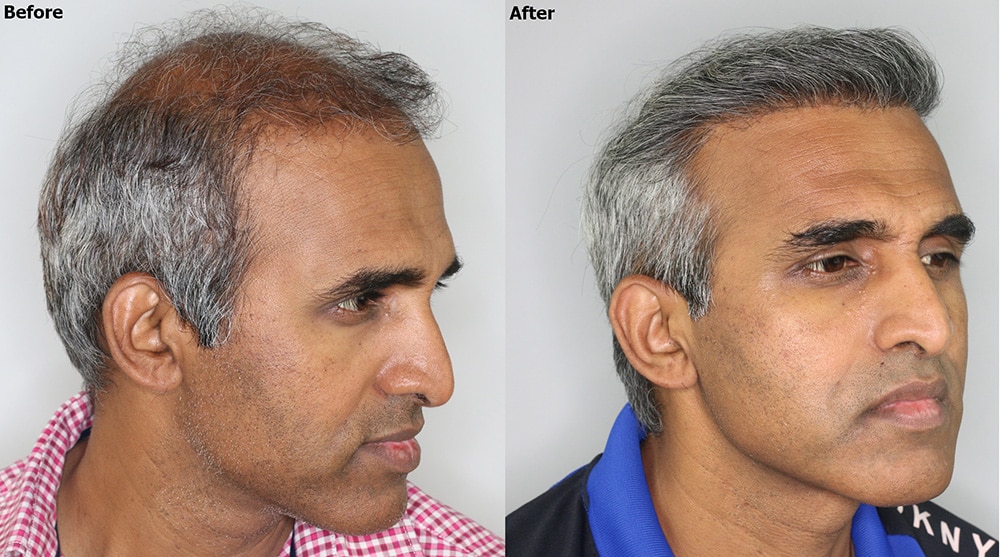
Zone 2 → anterior Zone 3
Moving posteriorly from the frontal system, Zone 3 should extend established directionality without losing rhythm.
- Carry forward hairline angle and caliber layering.
- Expand spacing gradually to maintain perceived density.
- Avoid over-densifying the forelock at the expense of mid-scalp continuity.
- Ensure a seamless top-view gradient from dense front to distributed mid-scalp.
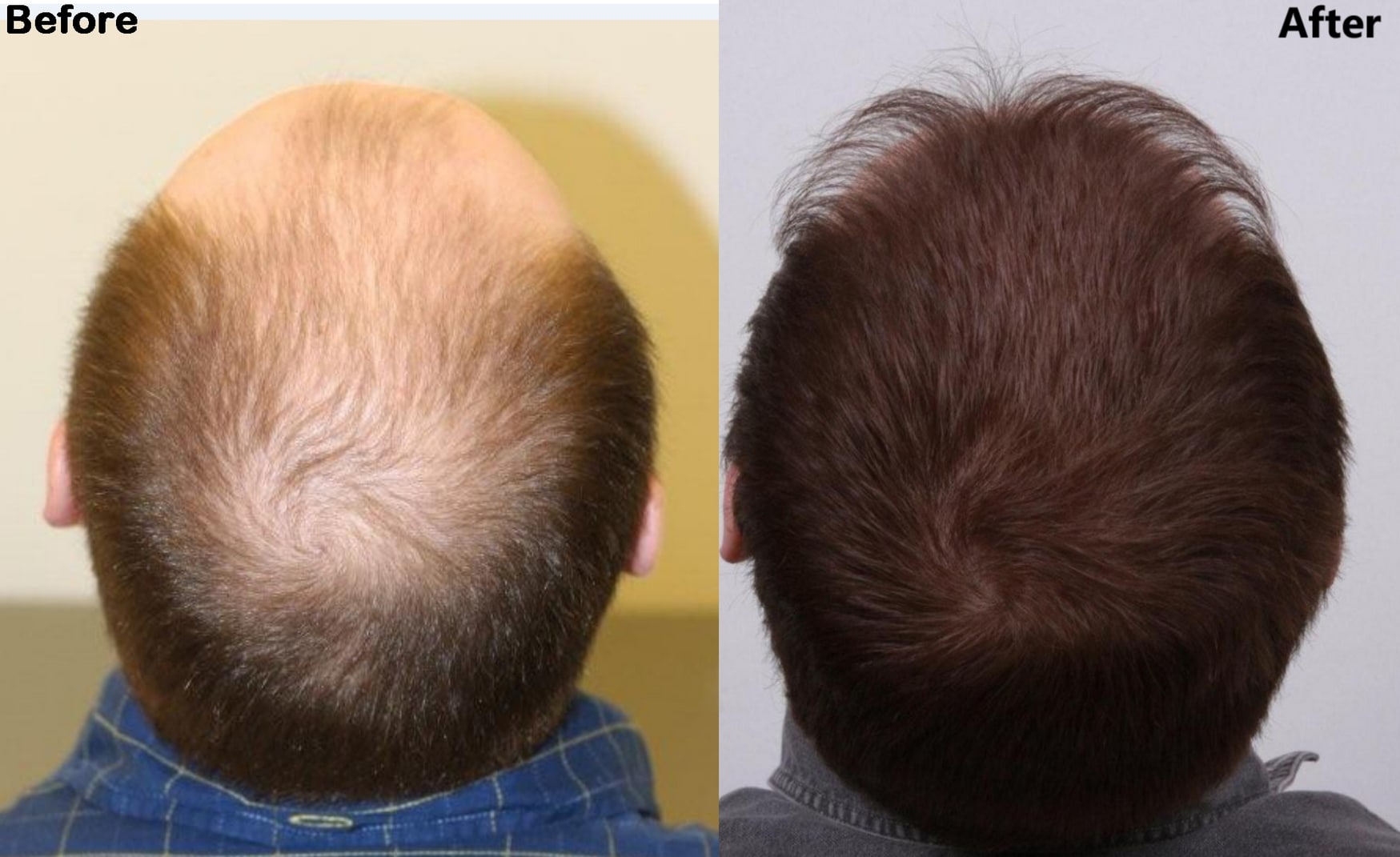
Zone 4 → posterior Zone 3
As flow moves out of the crown, Zone 3 must receive a the natural crown pattern and blend it into a smooth, consistent flow.
- Follow the natural swirl pattern of the crown.
- Increase overlap efficiency to compensate for wider spacing.
- Taper density to prevent a visible ring effect around the crown.
- Focus on natural direction and flow rather than just the number of grafts.
Biologic and non-surgical support in the mid-scalp
Not all Zone 3 restoration is surgical. In patients with viable follicles, biologic therapies such as exosomes and PRP can play a critical role in improving hair caliber, density perception, and scalp health.
- Best suited for early-to-moderate thinning where follicles remain viable.
- Improves caliber and density perception rather than creating new follicles.
- Often used as a bridge before surgery or as a complement after FUE.
- Particularly effective in diffuse Zone 3 patterns where continuity already exists.
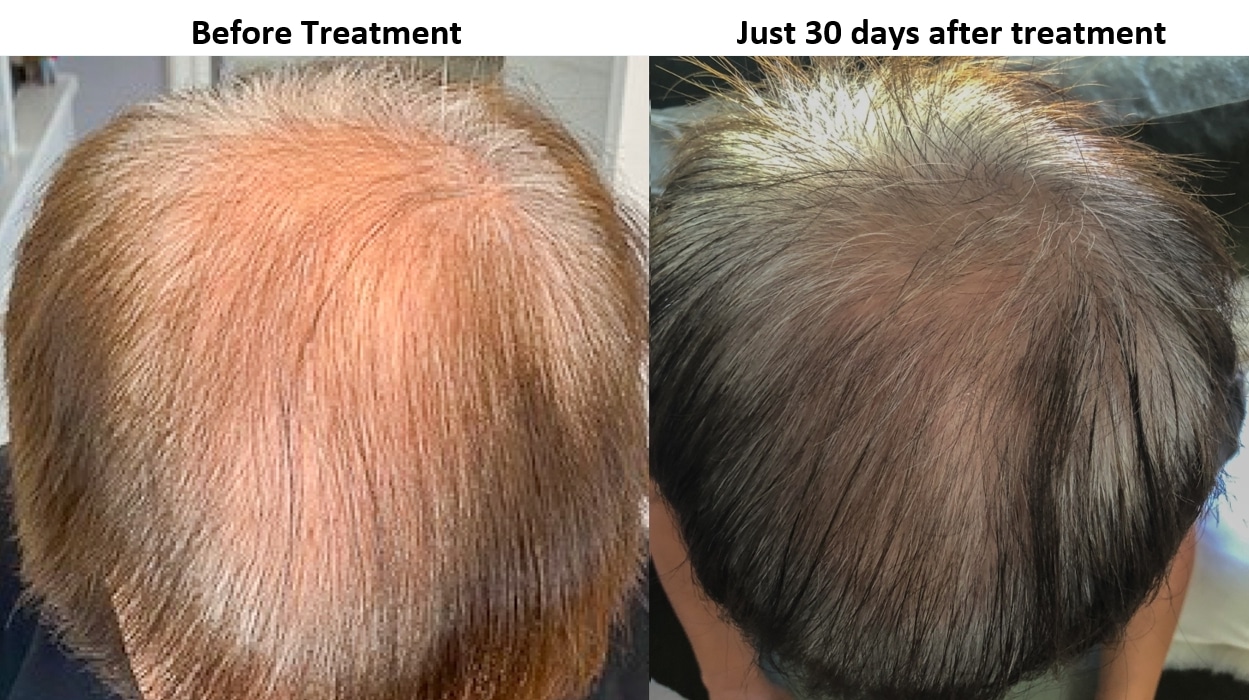
Surgical vs Non-Surgical in Zone 3
Zone 3 is often where treatment decisions become nuanced. The right approach depends on how strong the existing hair is and how much density has been lost.
High viability • Mild thinning
Best suited for exosomes or PRP. Focus is on thickening existing follicles and enhancing density perception.
High viability • Moderate thinning
Combination approach. Non-surgical therapies plus selective FUE to reinforce continuity and prevent progression gaps.
Low viability • Mild thinning
Early surgical intervention may be considered to prevent visual break in continuity as native follicles weaken.
Low viability • Advanced loss
FUE becomes primary. The focus is on creating natural-looking coverage and blending seamlessly with surrounding areas.
Zone 3 case studies and related examples
These examples highlight how mid-scalp restoration functions across different scales—from focused front-plus-mid restoration to broad top-of-scalp coverage in advanced hair loss.
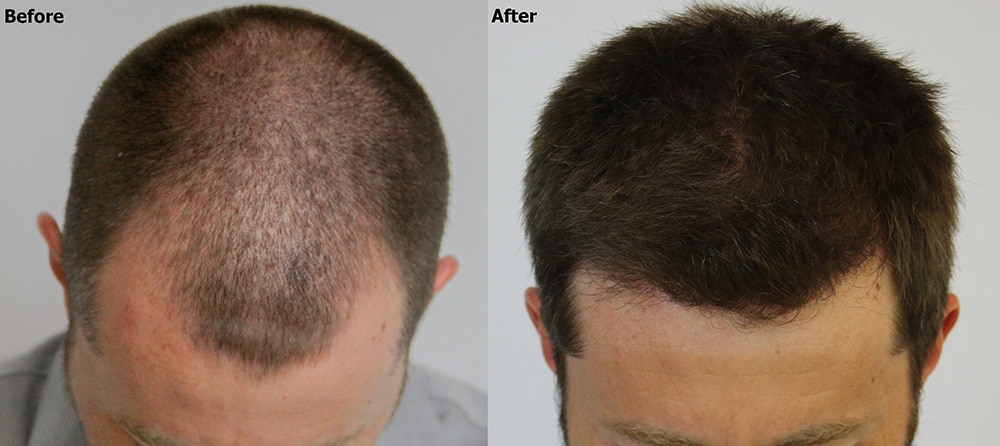
3,000 Graft Hairline and Forelock Restoration
A focused frontal reconstruction example that helps frame how anterior architecture can hand off into Zone 3 planning when continuity is the next objective.
View case →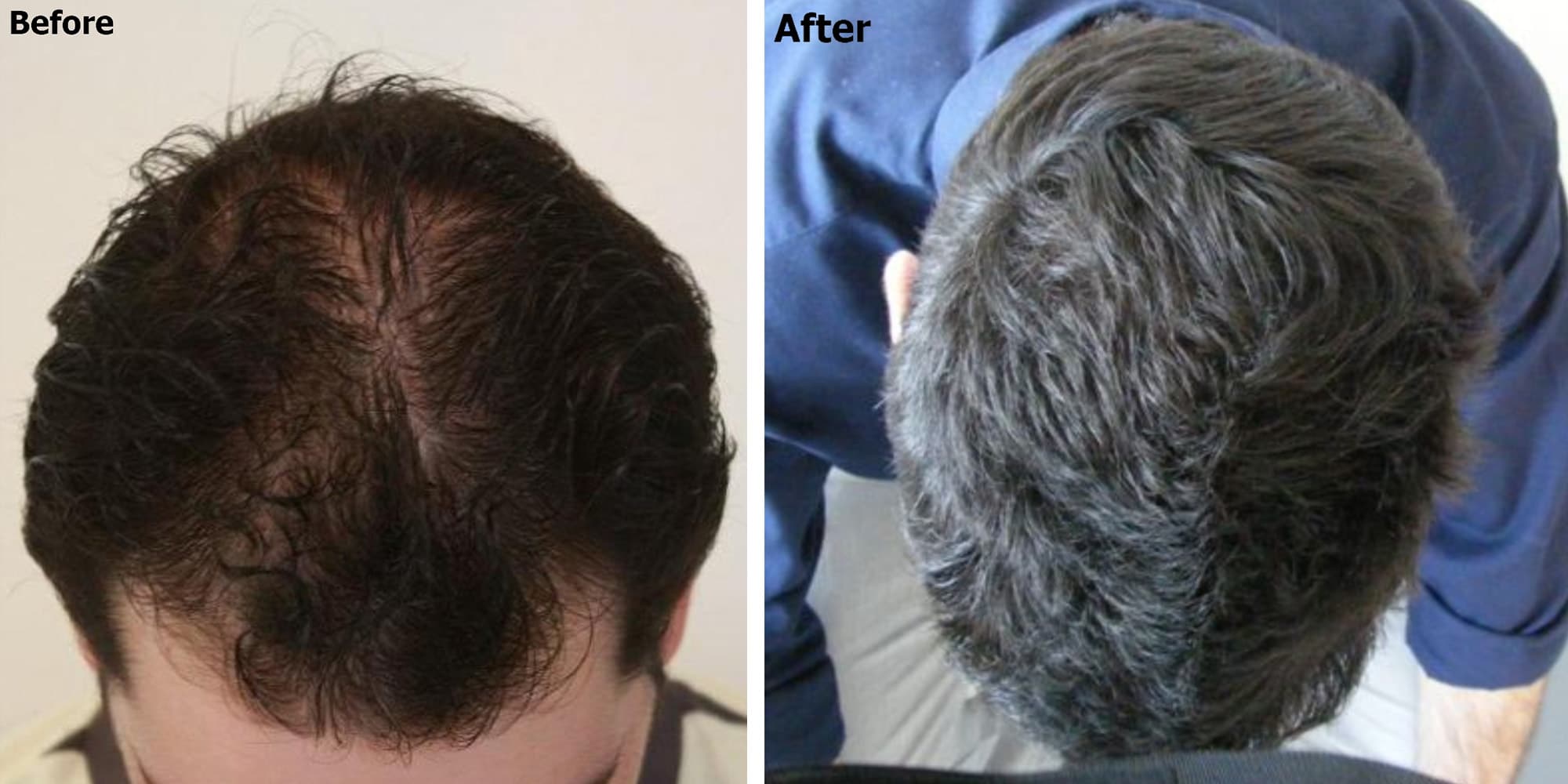
4,000 Graft FUE for Diffuse Hair Loss
A strong Zone 3 reference case, showing how grafts can be used across hairline, mid-scalp, and crown to unify the top of scalp in a diffuse pattern.
View case →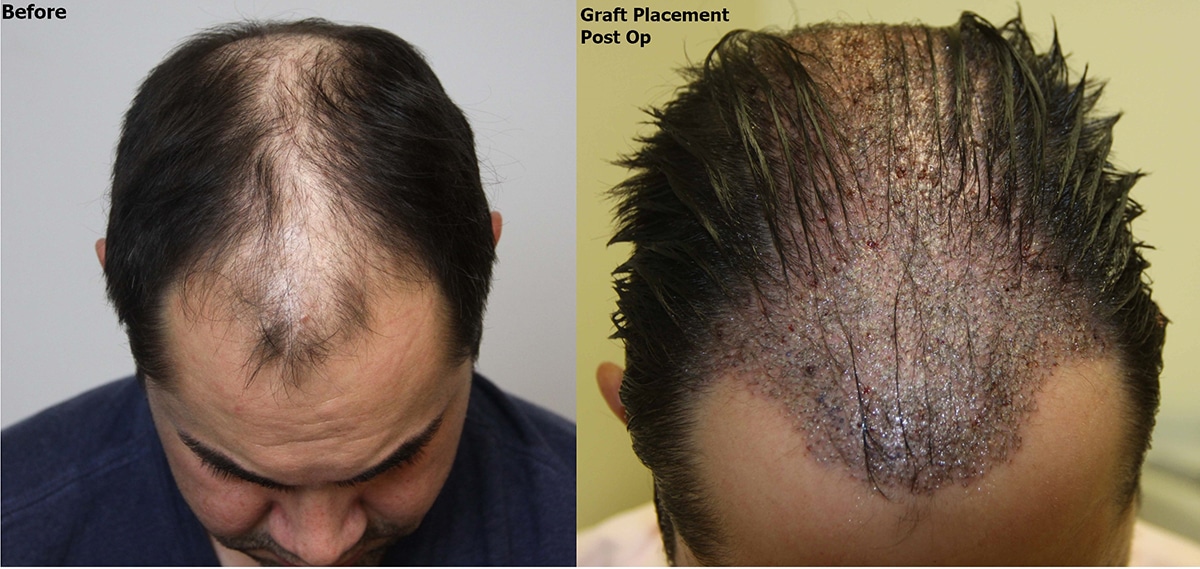
6,500 Graft FUE Mega Session
An advanced full-top restoration example demonstrating how Zone 3 becomes essential when carrying density and flow from front to back in one large session.
View case →
Hairline & Mid-Scalp Restored With 1 Session of 3,500 Grafts
A directly relevant Zone 3 case centered on restoring the hairline, frontal region, and mid-scalp in a single session with PRP support.
View case →
Norwood 6 Hair Transplant Restoration
An advanced-loss example showing why Zone 3 is indispensable in making a higher-class restoration feel connected and believable rather than fragmented.
View case →Zone 3 is where frontal artistry becomes whole-scalp strategy.
Explore AlviArmani cases to see how continuity, coverage, and donor economics are balanced across different patterns of loss.
Zone 3 connects the frontal design story to broader coverage strategy.
For many patients, the mid-scalp is where a restoration begins to feel complete. It reinforces frontal work, supports top-view fullness, and helps create a smoother transition into the posterior scalp.
AlviArmani Scalp Design Framework