
Norwood 5 represents an advanced pattern of hair loss, but the classification alone does not determine one graft count or surgical plan. These documented AlviArmani patients show different approaches to Norwood 5 restoration, including frontal-focused treatment, broader multi-zone coverage and staged procedures.
What Does Norwood 5 Hair Loss Mean?
Norwood 5 is an advanced stage on the Hamilton-Norwood scale. Hair loss through the frontal scalp and crown is more extensive, while a bridge or band of native hair may remain between those regions.
Classification describes the pattern of hair loss. It does not determine how many grafts a patient should receive, whether every thinning region should be treated, or whether restoration should occur in one procedure or more than one stage.
The documented Norwood 5 patients in this collection include procedures with known graft totals from 3,000 to 6,000 grafts, as well as one staged case for which an exact graft total is not documented.

Advanced Hair Loss Requires More Than a Norwood Number
As the recipient area becomes larger, planning increasingly involves how donor resources will be distributed across the areas that matter most to the individual patient.
Understand Treatment Zones
See how the hairline, frontal scalp, mid-scalp and crown represent different treatment regions when evaluating coverage and graft distribution.
Explore Hair Treatment Zones →Understand Hair Transplant Candidacy
Learn why donor resources, recipient-area size, existing native hair and long-term restoration goals should be considered together before determining a surgical plan.
Am I a Good Candidate? →3,539-Graft Norwood 5 Hair Transplant
The patient originally featured on this page underwent a documented 3,539-graft FUE procedure at the AlviArmani Beverly Hills clinic.
The documented treatment included the hairline, mid-scalp and crown. PRP was also documented as an adjunct to the procedure.
The available evidence includes before-and-after photography and a nine-month comb-through video.
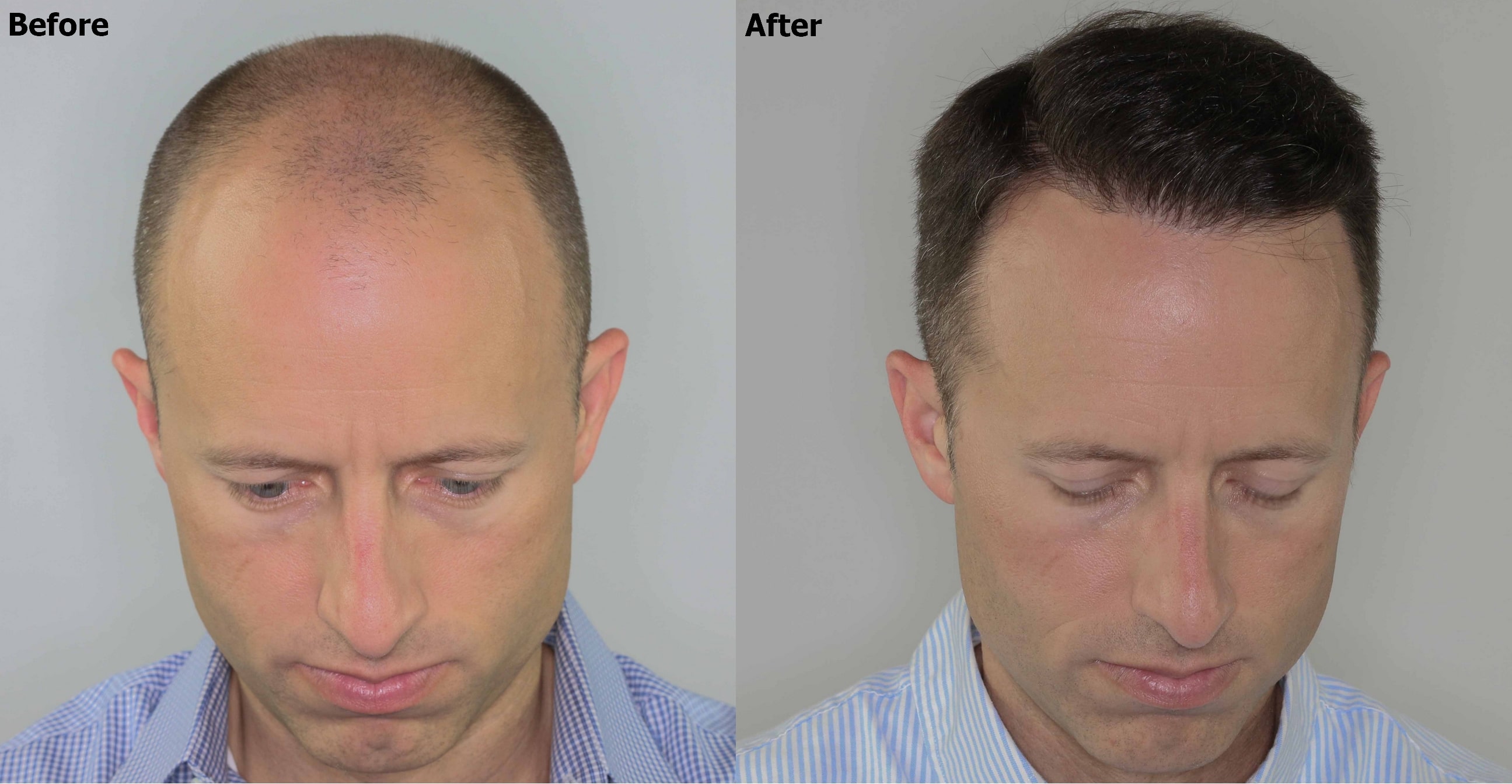
Before and After Views of the Featured Case
These additional views provide further photographic evidence from the same 3,539-graft restoration.
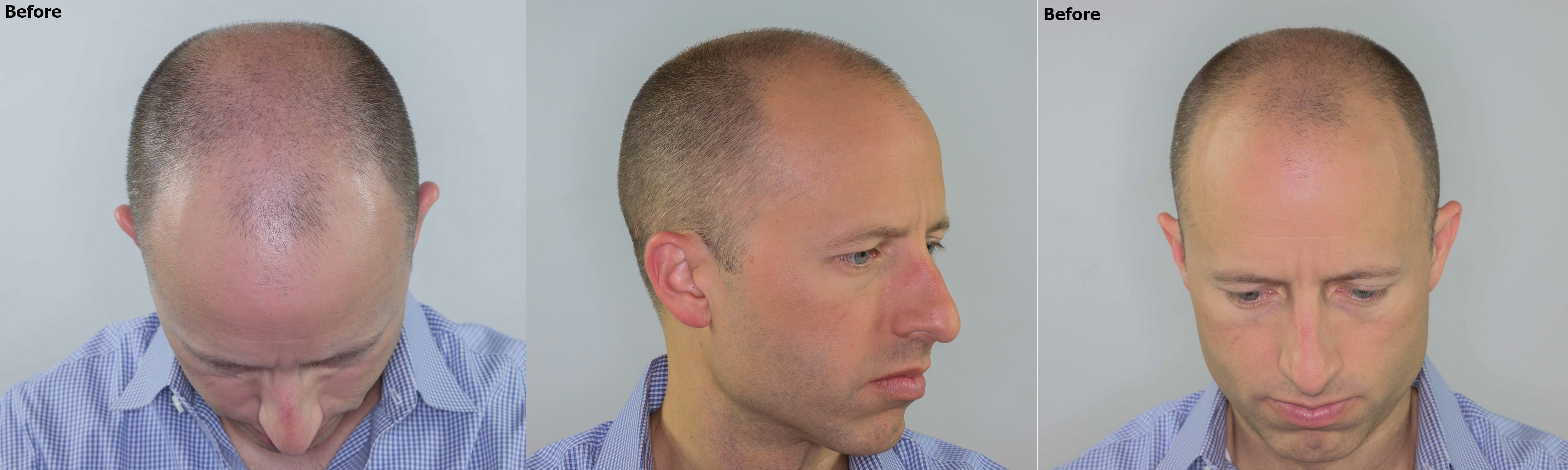
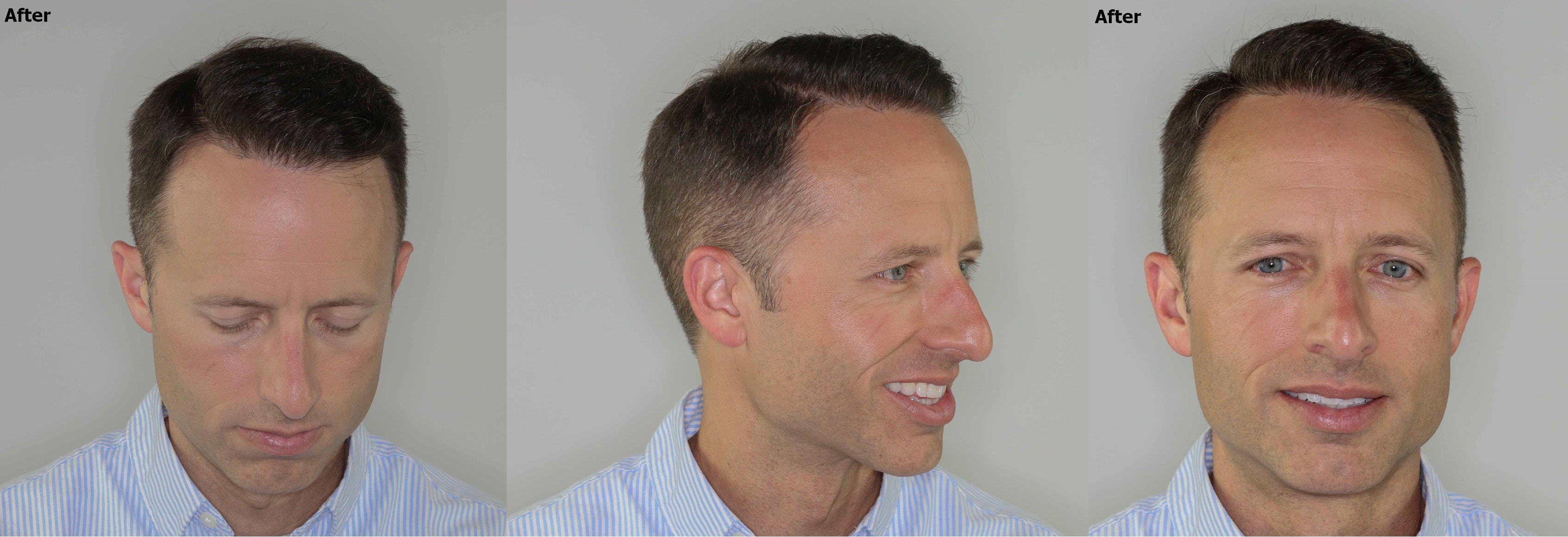
9-Month Norwood 5 Comb-Through
The featured patient was recorded at nine months after the documented procedure. The comb-through provides another view of the transplanted and existing hair beyond still photography alone.
More Documented Norwood 5 Hair Transplant Results
Patients with the same Norwood classification can have different treatment areas, graft counts, timelines and surgical strategies. These supporting cases provide additional documented examples of Norwood 5 restoration.
different plans
Norwood 5 Does Not Equal One Graft Number
The documented patients on this page include frontal-focused procedures, broader multi-zone restorations and staged treatment plans.
Among the cases with documented graft totals, procedures range from 3,000 to 6,000 grafts. Another patient underwent a documented two-session restoration for which an exact total graft count is not established in the available record.
Those differences matter. A patient whose treatment is concentrated toward the front of the scalp is not receiving the same surgical plan as a patient whose restoration extends through the mid-scalp or crown.
These cases do not establish a universal graft requirement for Norwood 5. Appropriate graft planning depends on recipient-area size, donor resources, existing native hair, hair characteristics, progression and the goals of the individual restoration.
Coverage, Donor Resources and Treatment Priorities
Norwood 5 may involve a larger recipient area than earlier Norwood patterns. That makes the relationship between available donor resources and treatment priorities particularly important.
Frontal Priority
Some documented Norwood 5 cases focus primarily on the hairline and frontal scalp rather than attempting to treat every area in the same procedure.
Multi-Zone Coverage
Other cases document treatment extending through the mid-scalp or crown when those areas were part of the operative plan.
Existing Native Hair
Remaining native hair influences the recipient canvas and should be considered together with the areas requiring restoration.
Staged Restoration
The Norwood 5 evidence library includes more than one staged restoration, illustrating that broader goals may sometimes be divided across separate procedures.
Compare Results in the Context of Time and Treatment Area
The Norwood 5 cases in this collection include evidence captured at different postoperative intervals. A four-month result, nine-month comb-through, one-year result and 18-month follow-up should not be interpreted as equivalent stages of recovery.
Treatment area, photographic angle, lighting, styling and the timing of the photographs all provide important context when comparing one patient with another.
Compare Norwood 5 Evidence Across Graft-Count Collections
Established graft-count collections provide another way to compare patient cases with different hair-loss classifications, recipient areas and treatment strategies.
Understanding Norwood 5 Hair Transplant Planning
Can someone with Norwood 5 have a hair transplant?
Some Norwood 5 patients may be candidates for hair transplantation. The decision depends on factors including recipient-area size, available donor resources, existing native hair, hair characteristics and the patient's restoration goals.
How many grafts does a Norwood 5 hair transplant require?
There is no universal graft requirement based on Norwood classification alone. Among the documented patients in this collection with known graft totals, procedures range from 3,000 to 6,000 grafts. Those examples reflect individual treatment plans, not a prescribed range for every Norwood 5 patient.
Does every Norwood 5 patient need the crown transplanted?
No. Treatment area depends on the individual plan. Some cases focus on the frontal scalp, while other documented cases include the mid-scalp or crown.
Can a Norwood 5 restoration be performed in more than one procedure?
Yes. The documented Norwood 5 evidence on this page includes staged treatment plans performed across separate procedures. Whether staging is appropriate depends on the individual surgical plan.
What does the featured 9-month video show?
The video provides a comb-through view of the featured 3,539-graft patient at nine months after the documented procedure. It represents a nine-month follow-up and is not presented as a percentage estimate of final growth.
Was PRP used in the featured case?
Yes. PRP is documented as an adjunct to the featured procedure. The case record does not establish that PRP caused a particular growth rate or outcome.
Learn More About AlviArmani Results and Hair Transplant Planning
Review additional patient evidence or begin a personalized evaluation of your hair-loss pattern, donor area and restoration goals.
Your Hair Restoration Plan Is Individual
Graft count is only one part of planning. Your hair-loss pattern, treatment areas, existing native hair, donor resources and long-term goals all influence the appropriate approach.